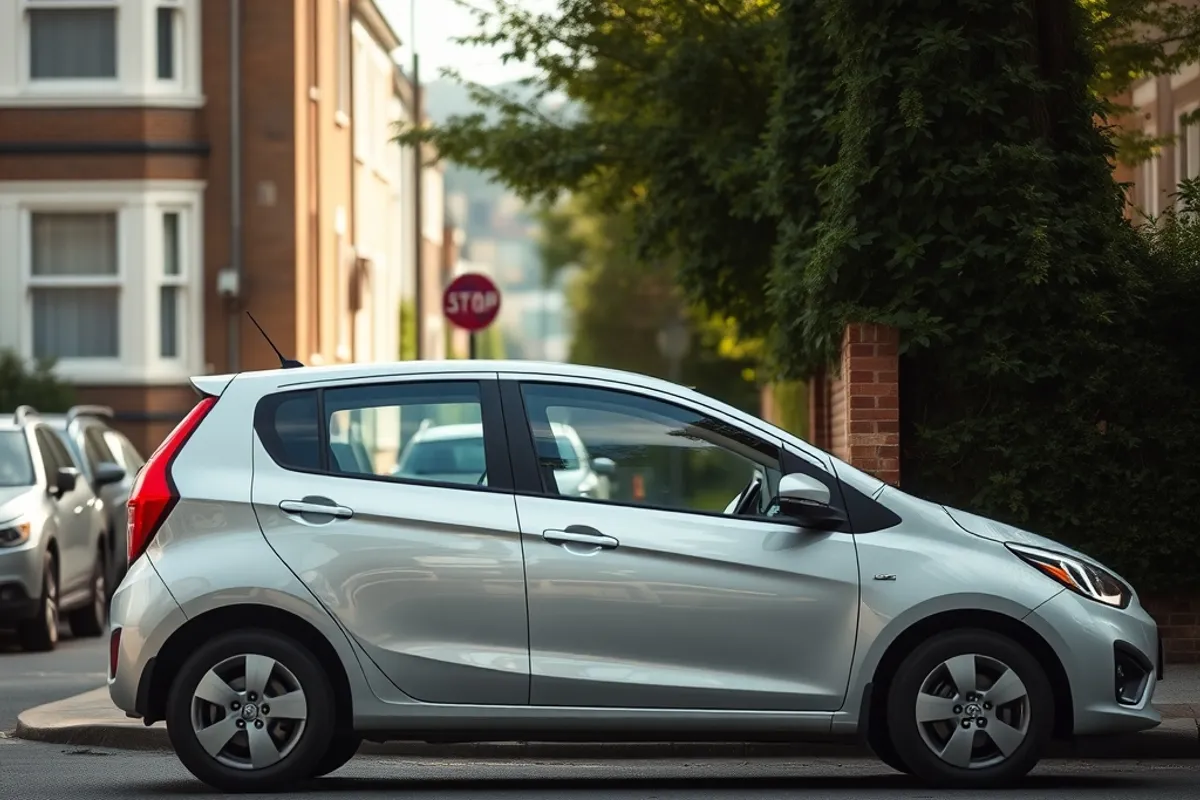
A used hatchback is usually the cheapest sensible car in the market. It is also the segment with the widest spread between a good example and a polished mistake. Two cars can look identical in a photograph and differ by thousands in the first year of ownership. The difference is rarely luck. It is a history check, a cold start and a careful look underneath.
Set the budget before you search
Decide the total you can spend, then keep 10 to 15 percent for immediate work. A used car almost always needs something: tyres, a battery, a service or a brake job. If the purchase price uses the whole budget, the first repair goes on a credit card. Include insurance, road tax and the cost of a pre-purchase inspection in the plan.
Mileage matters less than maintenance. A well-serviced car with 150,000 kilometres can be a better buy than a low-mileage car with no records. Look for a full service history, not just a stamp in the book. Receipts for cambelts, clutches and major repairs tell you what is already done.
Check the history before you view
Run a vehicle history check using the registration or VIN. Look for write-offs, outstanding finance, mileage discrepancies and theft markers. The report is not a guarantee, but it is a filter. If the seller refuses to provide the VIN, walk away. There are other cars.
Ask how long the seller has owned the car and why they are selling. A short ownership with a recent purchase and a quick resale is a question, not automatically a problem. Check that the name on the registration matches the seller and that the address makes sense. A car sold in a supermarket car park with no documents is a risk you do not need.
The cold start and the walkaround
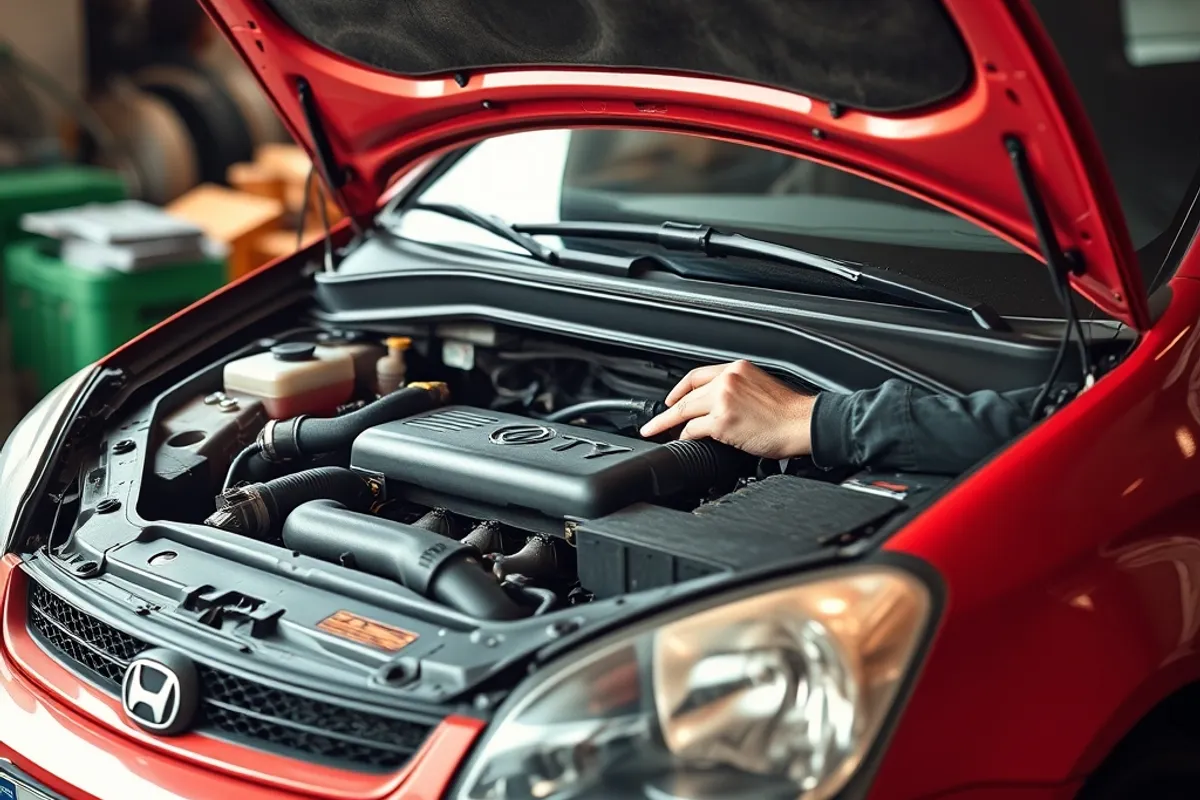
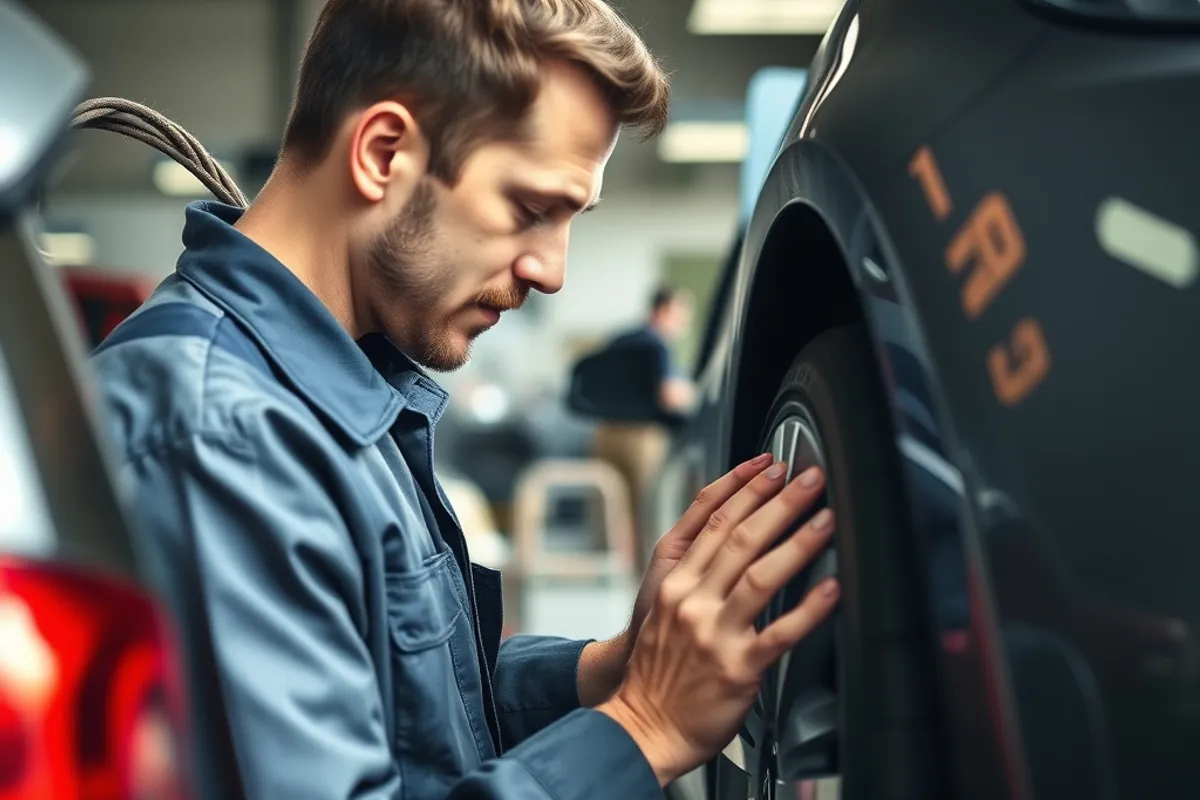
Arrive before the seller has warmed the car. A cold start reveals smoke, rattles and a rough idle that disappear once the engine is hot. Look under the bonnet for fresh oil, coolant stains and mismatched bolts. Check the tyres for uneven wear and the date code; tyres older than six years should be replaced even if the tread looks fine.
Walk around with a torch. Look at panel gaps, paint texture and the colour match between panels. Overspray on the rubber seals or a gap that changes from one side to the other suggests accident repair. Rust in the wheel arches, sills and boot floor is more expensive than it looks. Our detailing guide explains what a proper clean can hide and what it cannot.

The test drive
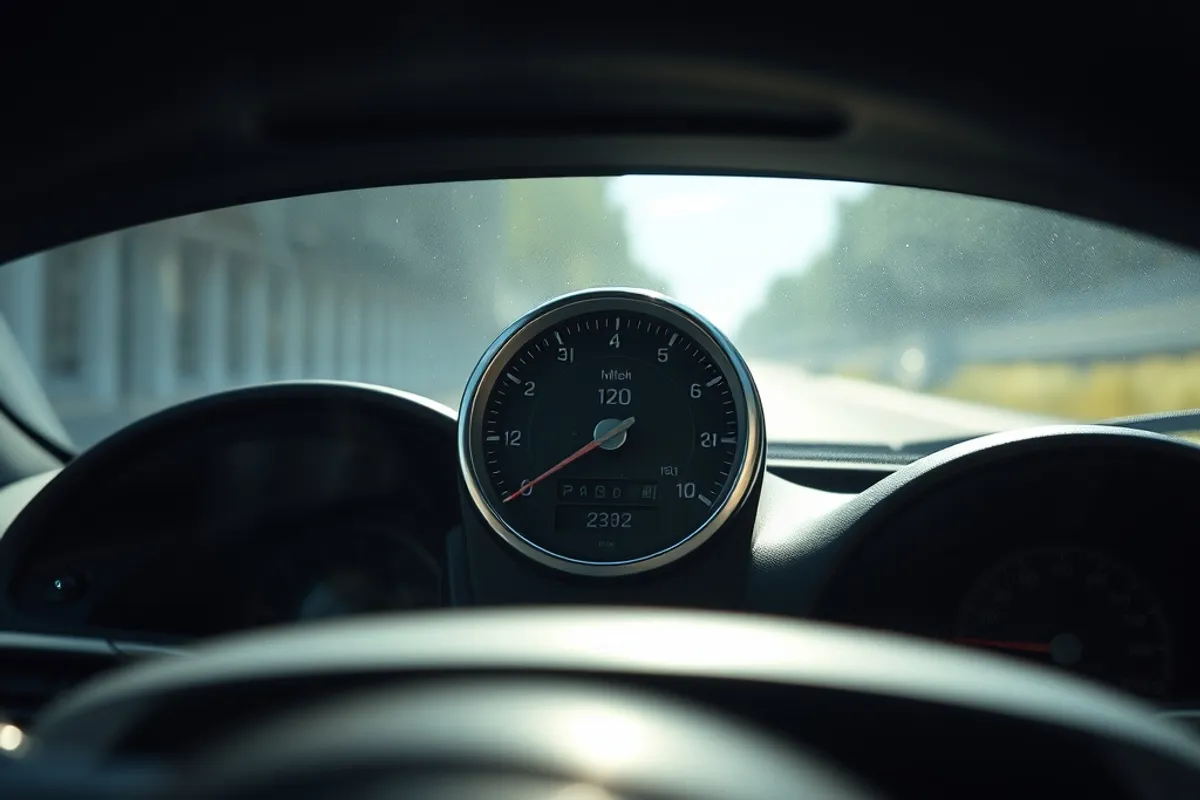
Drive at least twenty minutes, including a cold start, a hill, a rough road and a stretch of highway. Listen for clunks over bumps, whining from the gearbox and vibration through the steering wheel. Test the brakes from speed in a safe place. Check that the clutch bites cleanly and that the gears engage without crunching.
Turn the car off and restart it while warm. Check every switch, the air conditioning, the windows and the infotainment. Look for warning lights that do not come on at startup; a bulb may have been removed to hide a fault. If the seller will not allow an independent inspection, end the visit.
Paperwork and the pre-purchase inspection
Book a pre-purchase inspection with a mechanic you choose, not one recommended by the seller. A lift inspection costs a fraction of a gearbox repair and is the best money you will spend. Ask the mechanic to check compression, suspension, brakes and for accident damage. Get the findings in writing.
Confirm the VIN on the car matches the documents. Check the service book, the owner's manual and the spare key. Ask for the import or registration paperwork if the car came from another country. A missing document can turn a simple transfer into a months-long problem.
Negotiation and the final price
Use the inspection findings as the basis for a discount, not a vague complaint. A worn clutch, four tyres or a failed air-conditioning compressor each has a quoted price. Ask for the repair cost to be reflected in the price, or for the work to be done before collection. Get any promise in the sale contract, not in a text message.
Pay by a method that leaves a record and complete the transfer the same day. Do not hand over cash before the documents are signed and the keys are in your hand. If the seller wants a deposit before an inspection, keep it small and refundable in writing. There will always be another hatchback.
The verdict
The best used hatchback is the one with a boring history, a cold-start check and an independent inspection. Set a budget with a repair reserve, walk away from missing paperwork and pay for the lift. If you are comparing a used hatchback with a larger family car, read our three-row SUV review before you decide the extra space is worth the running cost.