Most paint damage comes from washing, not from the road. A dirty sponge, automatic car washes with old brushes and drying with a bath towel create the fine scratches that dull a car over the years. Good detailing is mostly about avoiding those mistakes and adding a thin layer of protection that takes minutes, not hours.
Wash without swirls
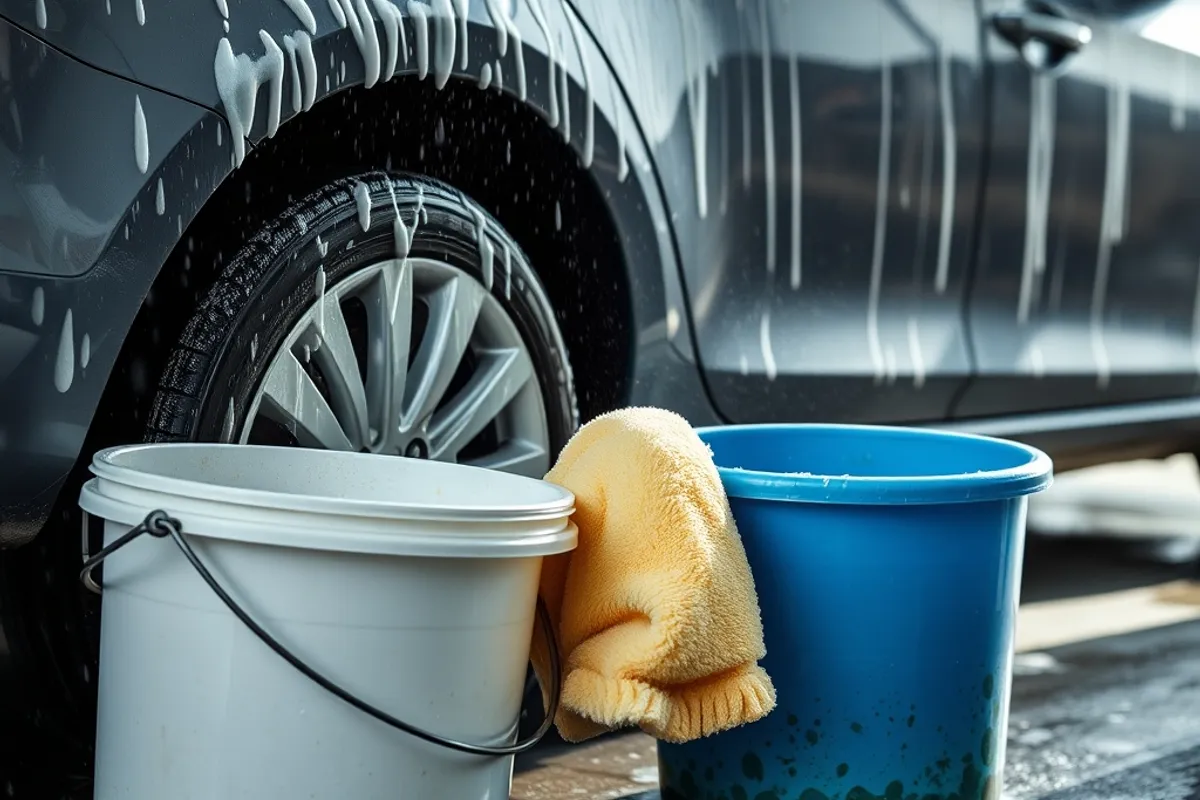
Use the two-bucket method: one bucket with car shampoo, one with clean water to rinse the mitt. A grit guard at the bottom helps. Wash from top to bottom, starting with the cleanest panels. Rinse often and never wash in direct sunlight. A pre-wash with a pH-neutral foam loosens dirt so the mitt touches less grit.
Dry with a clean, soft microfibre drying towel or a blower. Never drag a dry cloth over dusty paint. If the car is very dirty, pre-rinse for longer rather than scrubbing harder. Patience saves the paint.
Decontaminate and inspect
After washing, run a clean plastic bag over the paint. If it feels rough, it needs decontamination. A clay bar with lubricant removes bonded fallout that washing leaves behind. Do small sections at a time and keep the surface lubricated. Too much pressure with clay causes marring.
Inspect the paint in good light. Swirls are easiest to see under a phone torch or in direct sunlight. Polishing removes a tiny amount of clear coat, so only polish when needed. A good sealant or wax looks better on clean, decontaminated paint than on paint that still has grit.


Protection: wax, sealant or ceramic
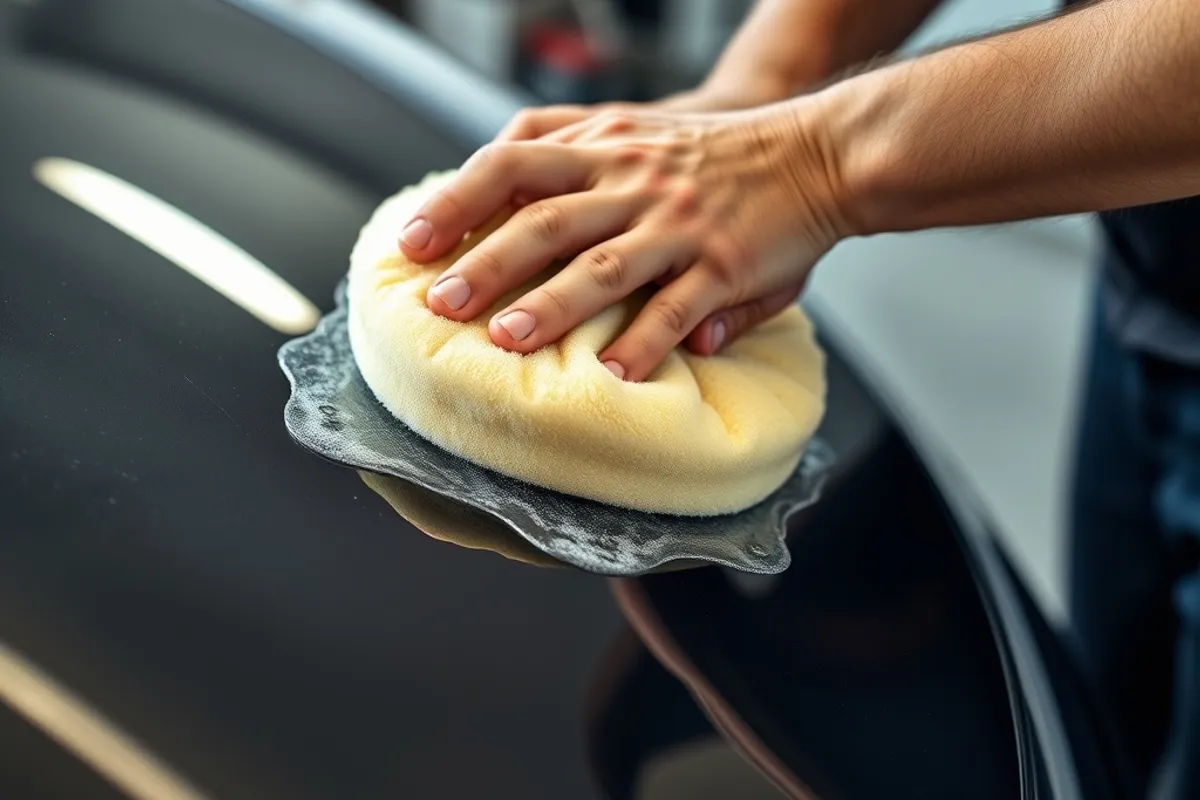
A quality wax gives warmth and is easy to remove, but lasts weeks to a couple of months. A synthetic sealant lasts longer and shrugs off washing better. A ceramic spray is a middle ground: more durable than wax, easier to apply than a full ceramic coating, and a good choice for a DIY detailer.
Apply thin, remove promptly and avoid the plastic trim unless the product says it is safe. Less product gives a better result and less streaking. For a daily driver, a good sealant applied twice a year is more effective than a cheap coating applied once.
Interior care
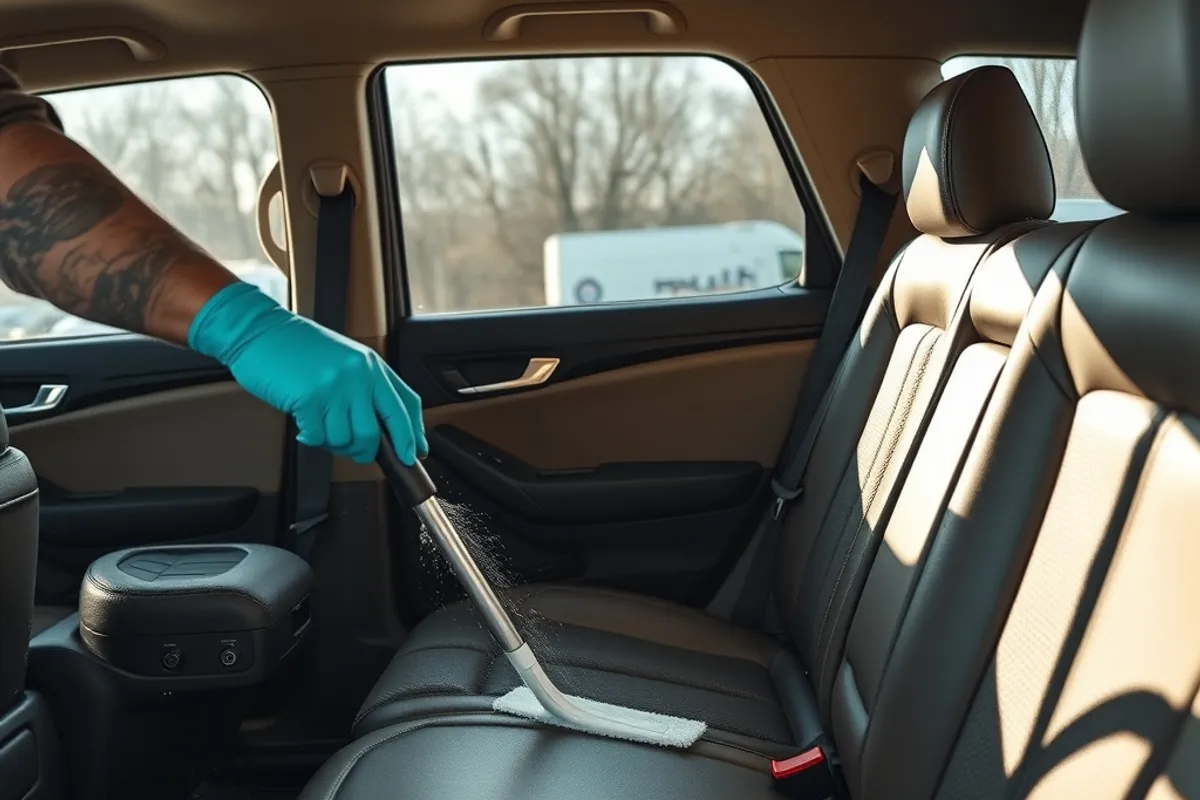
Vacuum first, including under the seats and the boot. Use a soft brush for vents and seams. For fabric seats, use a dedicated upholstery cleaner and test in an inconspicuous spot. For leather, use a pH-balanced leather cleaner and a light conditioner; too much conditioner makes leather slippery and attracts dirt.
Wipe hard plastics with a lightly damp microfibre cloth and a product designed for interiors. Avoid silicone-heavy dressings on the dashboard that reflect in the windscreen. Clean the windows last with a dedicated glass cleaner to avoid smearing product residue across them.
Wheels and tyres
Wheels are often the dirtiest part of the car. Use a dedicated wheel cleaner, not the same shampoo as the paint. Clean them first or in a separate bucket to avoid transferring brake dust. A soft brush reaches behind spokes. Rinse thoroughly, as some wheel cleaners can stain if left to dry.
Tyre dressing is optional. A water-based dressing looks cleaner without attracting as much dust as an oil-heavy one. Do not dress the tyre tread; only the sidewall. Dirty wheels ruin a clean car faster than anything else.
A budget detail plan
You do not need twenty products. Start with a pH-neutral shampoo, two buckets with guards, a soft wash mitt, microfibre towels, a clay bar, a sealant and a basic interior cleaner. That covers 90 percent of what a hobby detailer needs for under a reasonable budget. Borrow a polisher only if you need to remove defects; most cars need none.
Detail in the shade, on a cool surface. Work one panel at a time and check your work in the light. A thirty-minute wash with care will look better than a three-hour job done in the sun. And if you are keeping the car long-term, the same care pays back at resale time. Our used car guide shows how a well-kept car stands out at inspection.
The verdict
Detailing is a habit, not a once-a-year event. Wash properly, protect the paint twice a year and keep the interior tidy. Avoid automatic washes with brushes, dry with care and use the right product for the right job. A clean, well-protected car is easier to sell, nicer to drive and cheaper to keep looking good.