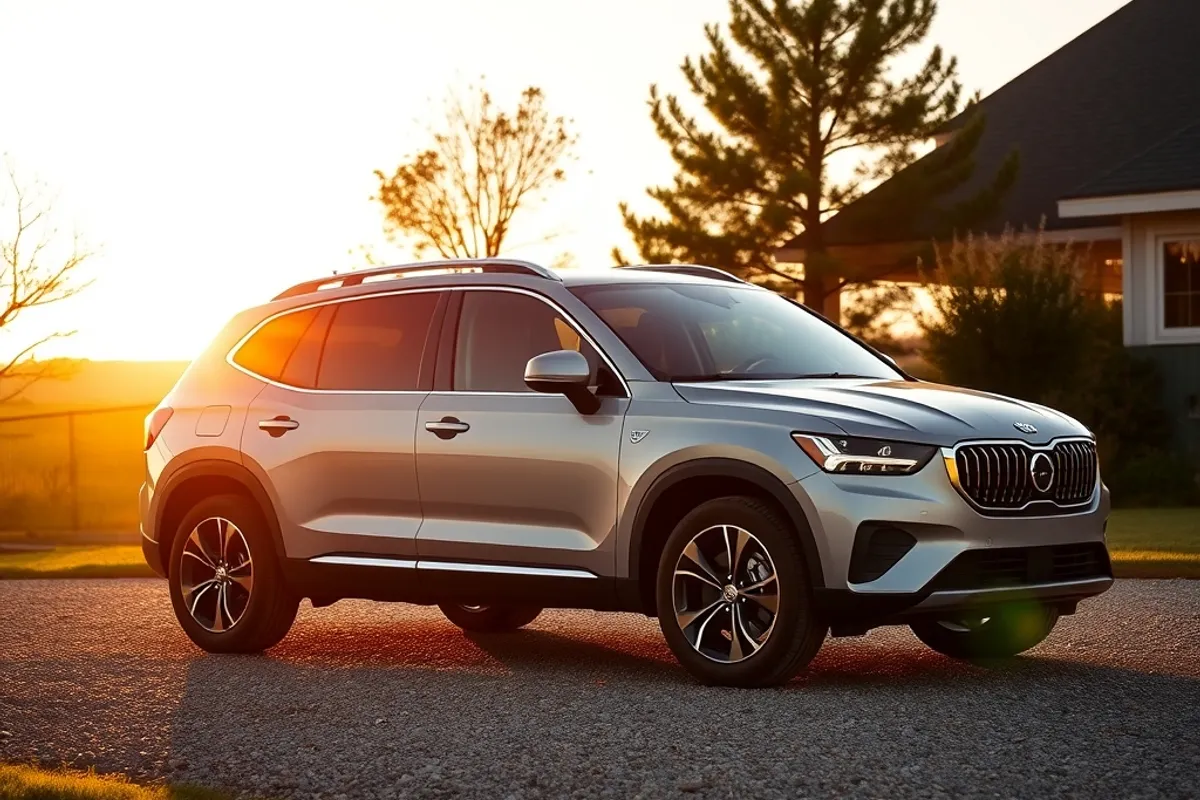
A three-row SUV is sold as freedom: room for the grandparents, the dog and a weekend of luggage. The first year often tells a different story. The third row is tight, the fuel bill is real, and the tyres cost more than anyone mentioned at the dealership. None of that makes the car wrong. It just means the decision should be made with a calculator as well as a child seat.
Start with the seats you actually use
Most families need five seats most of the time and seven a few times a year. If that is your pattern, a large five-seat SUV with a big boot may be the better buy. The third row adds weight, cost and a pair of seats that stay folded for eleven months. If you genuinely carry six or seven people weekly, a three-row vehicle earns its place.
Sit in the third row before you sign. Knee room, head room and the height of the floor matter more than the number on the spec sheet. A child can use a compact third row for years; an adult will complain on the first long trip. Check the child-seat anchors and whether the second row slides far enough forward to give the back row a chance.
Fuel, tyres and the running bill
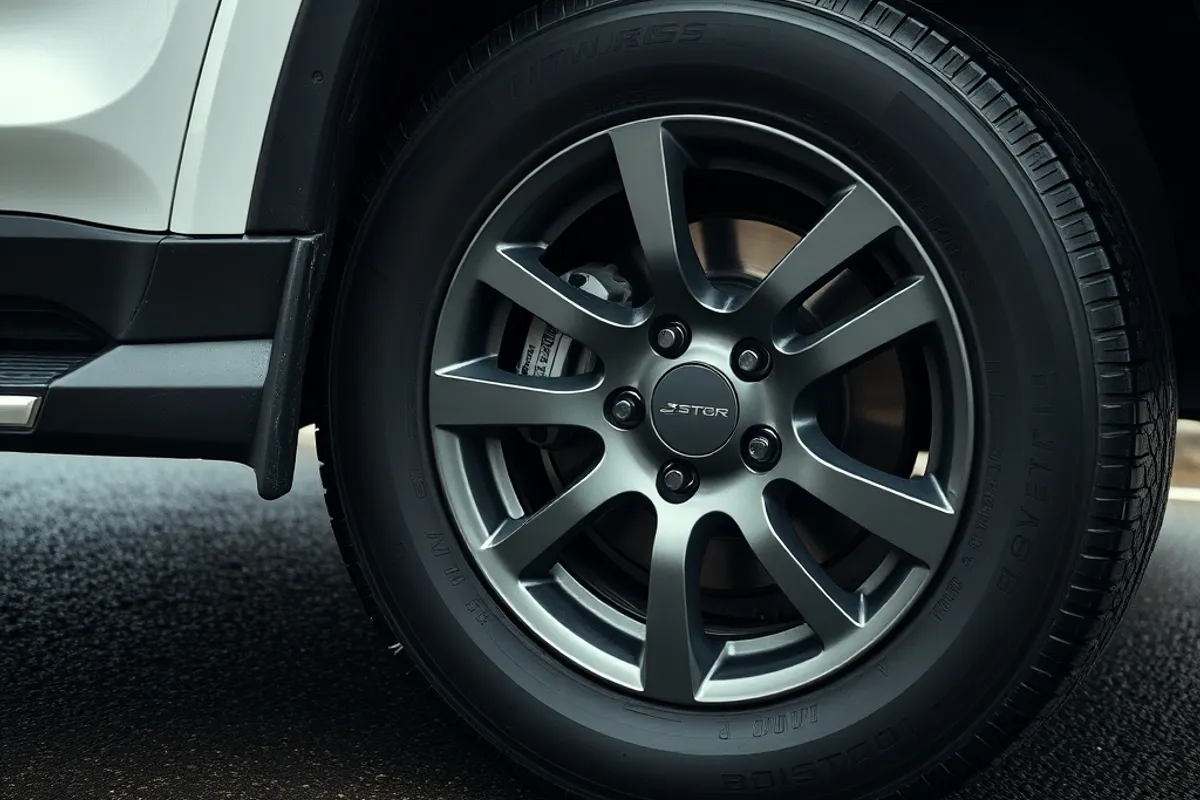
A mid-size three-row SUV in 2026 typically returns 9 to 12 litres per 100 kilometres in mixed driving. A heavy right foot and a roof box can push that higher. Work out the annual fuel cost from your real weekly distance, not the official figure. Then add the difference between the smaller and larger tyre size; a set of four SUV tyres can cost several hundred euros or dollars more than a hatchback set.
Insurance follows the repair cost, not just the price. A car with expensive lights, sensors and a panoramic roof is more expensive to insure and to fix. Ask for a quote before you buy, using the exact trim and registration year. A cheap monthly payment can hide an expensive policy.
Service intervals and the first big bill
Modern SUVs often have long service intervals, but the items between services still wear: brake pads, filters, fluids and tyres. Ask for the scheduled maintenance table and the price of the first three services at a dealer and at an independent garage. Our service schedule guide explains which intervals are real and which are sales talk.
Check the warranty terms on consumables and the cost of a courtesy car. A family car that spends three days in the workshop needs a plan. If the dealer cannot explain the warranty in plain language, ask for it in writing before you sign.


The test drive that tells the truth
Drive the car with the family aboard, or at least with the weight you expect. Load the boot, fold and unfold the third row, and park it in a tight space. Listen for wind noise at highway speed and check whether the second-row passengers can hear each other. A quiet cabin is worth more than a larger screen.
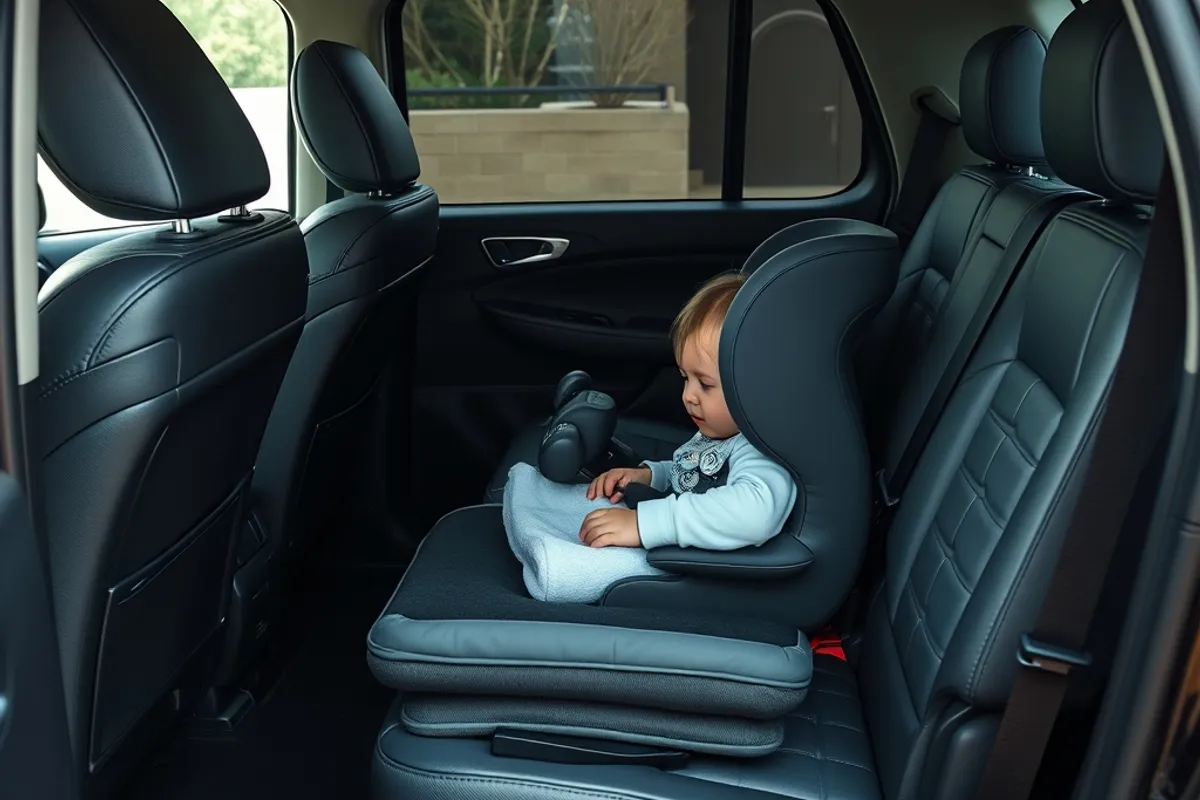
Test the child seats in the car, not in the showroom. Some second-row shapes make it hard to reach the buckles. Check the tailgate height and the load lip; a heavy stroller becomes a daily problem if you have to lift it over a high edge. If you regularly use a roof box, confirm the roof rails and the dynamic load limit.
Depreciation and the exit plan
Three-row SUVs are popular, which helps resale, but the most expensive trims lose the most value. A mid-level trim with the safety pack usually holds value better than a top trim with every option. Look at three-year-old examples of the same model and see what they actually sell for, not what the seller is asking.
If you plan to keep the car for eight years, depreciation matters less and condition matters more. If you change every three years, the resale curve should be part of the monthly cost. Either way, do not finance the optional extras over a longer term than the car's useful life.
Safety and technology worth paying for
Automatic emergency braking, blind-spot monitoring and rear cross-traffic alert are useful on a large family car. A head-up display and a massaging seat are not. Check that the driver aids can be turned off or adjusted, because a system that beeps at every driveway will be disabled within a week. Ask whether the software receives updates and whether the maps are free after the trial period.
Look at the safety rating for the model year you are buying, not the rating from five years ago. Structure changes between generations. If the car is used, check for recall work and whether the software is current. A quick check with the manufacturer's recall tool takes two minutes.
The verdict
Buy the three-row SUV only if the third row is used often enough to justify the fuel, tyres and insurance. Otherwise, choose a five-seat car with a generous boot and spend the difference on better tyres and a service plan. If you are shopping used, read our used car checklist before you visit a seller. The right family car is the one that fits the ordinary week, not the once-a-year holiday.