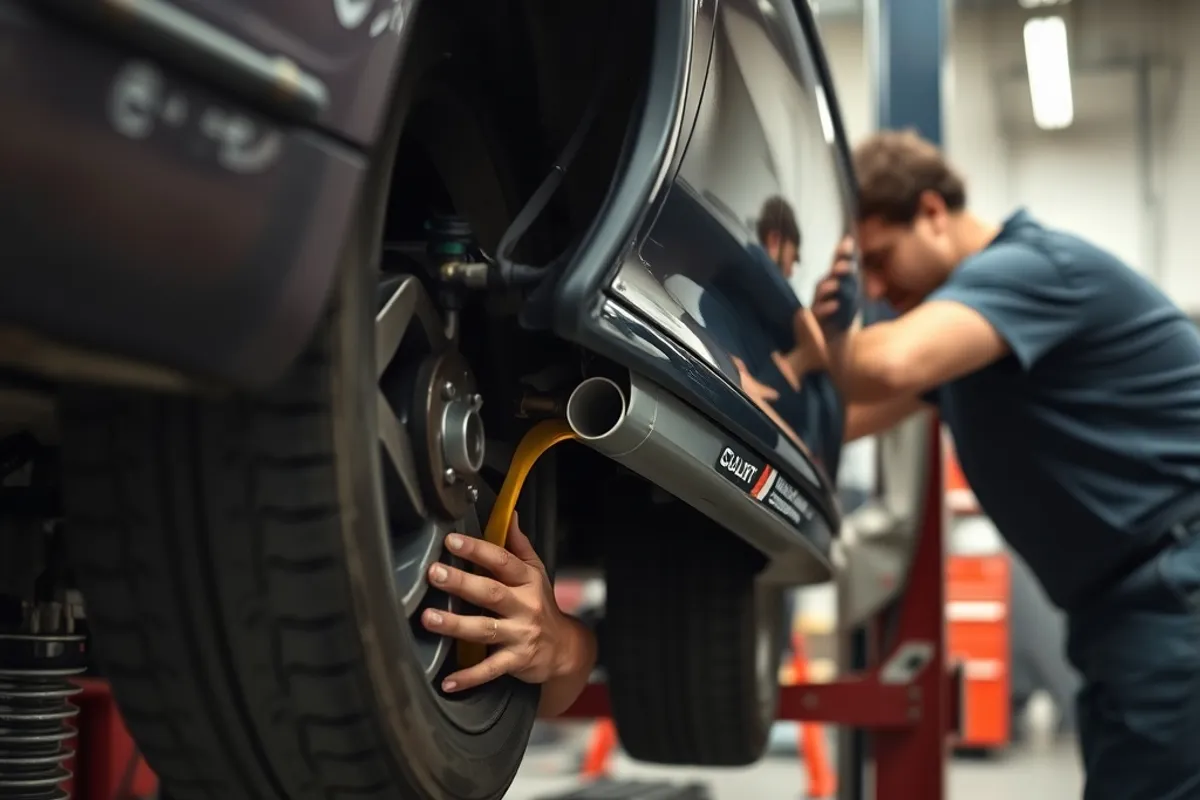
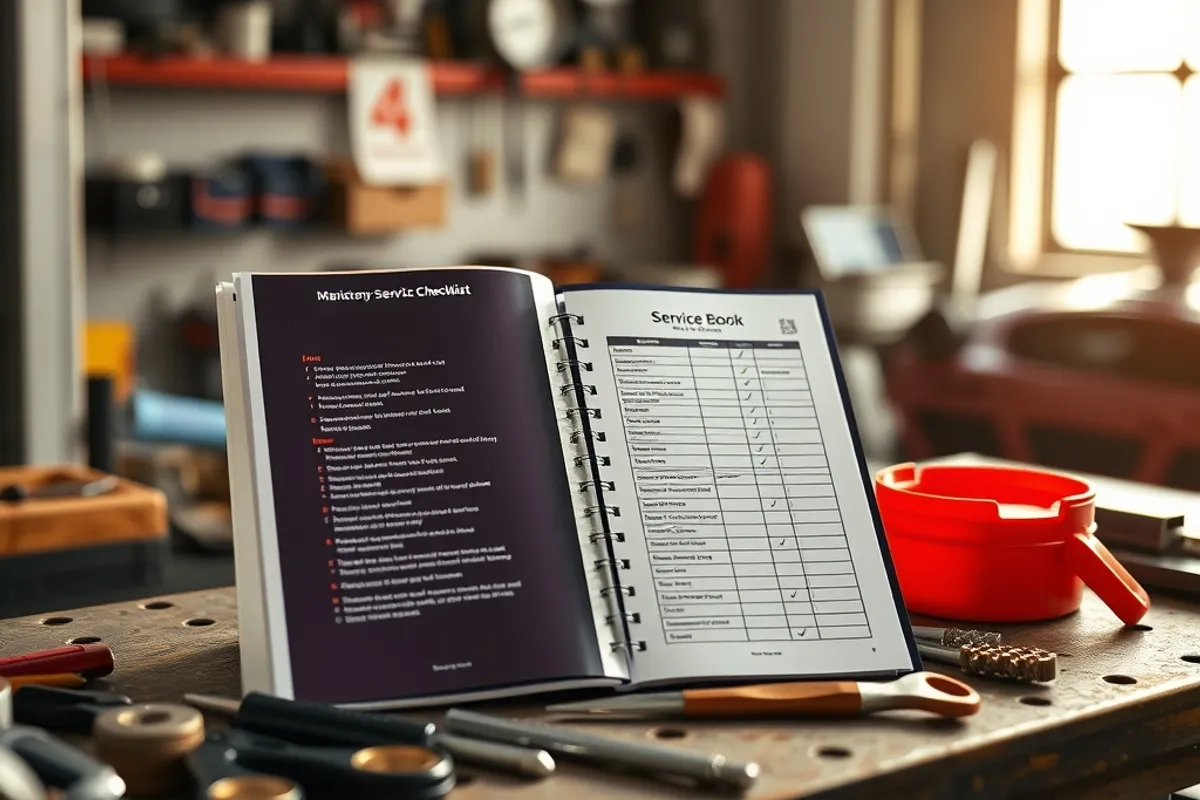
A service schedule is the cheapest insurance a car has. Skip it and the first sign is often a warning light, a rough idle or a repair that costs more than five services. The trick is to follow the right items at the right time without buying every add-on the workshop offers. The owner's manual is the starting point, but real driving conditions change the plan.
Oil and filter: the core interval
Engine oil protects the most expensive part of the car. Modern synthetic oils and long intervals have improved, but short trips, dust and heavy traffic still wear oil faster. A common 2026 interval is 10,000 to 15,000 kilometres or twelve months, whichever comes first. If most of your driving is short urban trips, change it at the shorter end.
Replace the oil filter with the oil every time. A new filter with old oil, or the reverse, is a false economy. Use the viscosity and specification in the manual, not whatever is on offer. Keep the receipt; a stamped service history helps at resale. Our used car guide explains why buyers look for it.
Brake fluid and brake inspection
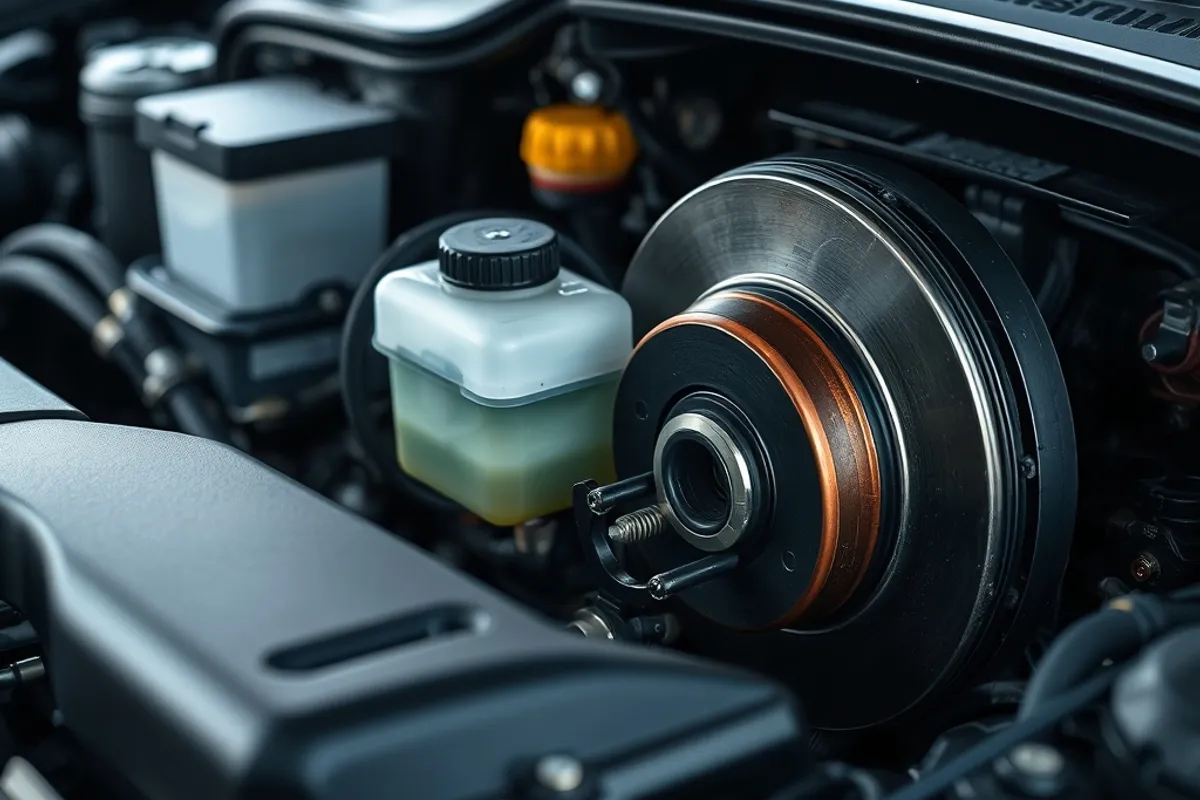
Brake fluid absorbs moisture over time, which lowers its boiling point and can make the pedal soft under hard use. Many manufacturers specify a change every two years regardless of mileage. Ask for a moisture test at the annual service. Brake pads and discs are checked by thickness, not by the calendar; replace them when the measured wear reaches the limit.
If the pedal feels spongy or the car pulls under braking, stop driving and get it checked. Brake work is not a place to save money. A fluid change is inexpensive compared with a failed brake line or a seized caliper.
Coolant, belts and hoses
Coolant protects against freezing, boiling and corrosion. Check the level at every service and the condition of the hoses. A coolant change interval varies widely; some cars use long-life fluid, others need it sooner. Follow the manual and use the correct type. Mixing coolant types can cause sludge.
Inspect the accessory belt for cracks and glazing. A timing belt, if fitted, has a fixed replacement interval that must not be ignored; a failure can destroy the engine. Ask the workshop to show you the belt condition and record the replacement date. Hoses are cheap; a burst hose on a hot engine is not.
Transmission, differential and power steering
Automatic transmission fluid is often described as lifetime fill, but lifetime means the warranty period, not the life of the car. If you tow, drive in traffic or keep the car beyond 150,000 kilometres, a fluid service is sensible. Use the specified fluid and the correct procedure; some gearboxes require a temperature-controlled fill.
Manual gearboxes and differentials also have fluid intervals, often overlooked. A whine or a difficult shift can be a sign of low or old fluid. Power steering fluid, where fitted, should be checked for level and colour. Electric steering has no fluid, so do not let a workshop sell you a flush you do not need.
Filters and the cabin
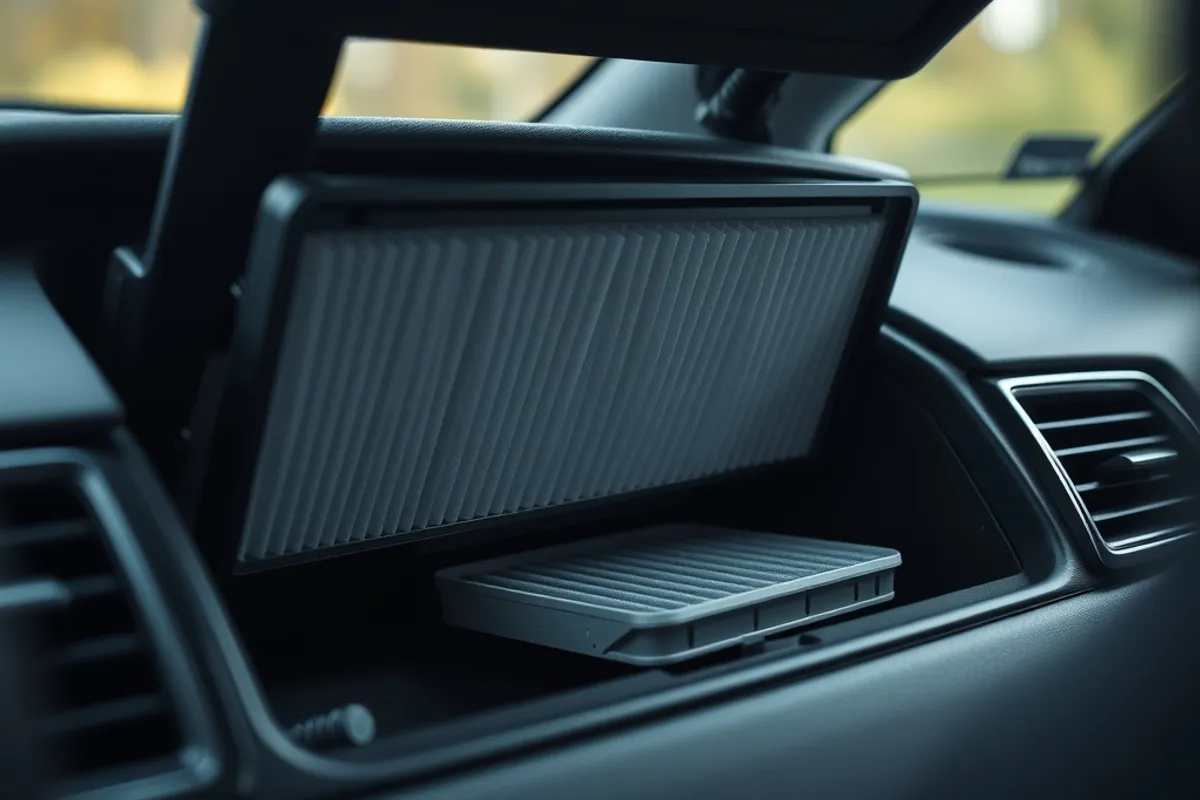
The air filter protects the engine; a clogged filter costs fuel and power. The cabin filter protects your lungs and the air-conditioning system. Both are inexpensive and easy to inspect. In dusty or smoky areas, replace them more often than the manual suggests. A musty smell from the vents usually means the cabin filter and the evaporator need attention.
Fuel filters on diesel cars are especially important; water in the fuel system can cause expensive injector damage. Follow the interval and use a reputable fuel source. If the car struggles to start or loses power, have the fuel filter checked before assuming a bigger fault.
What a service should cost
Prices vary by region and car, but the structure is predictable. An oil and filter service is the base cost. Brake fluid, coolant, spark plugs, transmission fluid and filters are additional. Ask for a written quote that separates parts and labour, and compare it with the schedule. A dealer is not automatically better, but a specialist who knows your model often is.
Beware of vague "full service" packages that do not list what is included. A good invoice shows the parts, the fluid specification and the measurements taken. If a workshop cannot explain why an item is needed, ask to see the worn part or the test result. You are allowed to decline non-safety add-ons and think about them.
The annual routine
Once a year, check tyres, lights, wipers, fluids and the battery. Every service, ask for the brake measurement and the tyre tread depth. Keep a simple folder of invoices. At resale, a complete history is worth more than a shiny engine bay. A car that is serviced on time is also safer, and that matters more than any option pack.