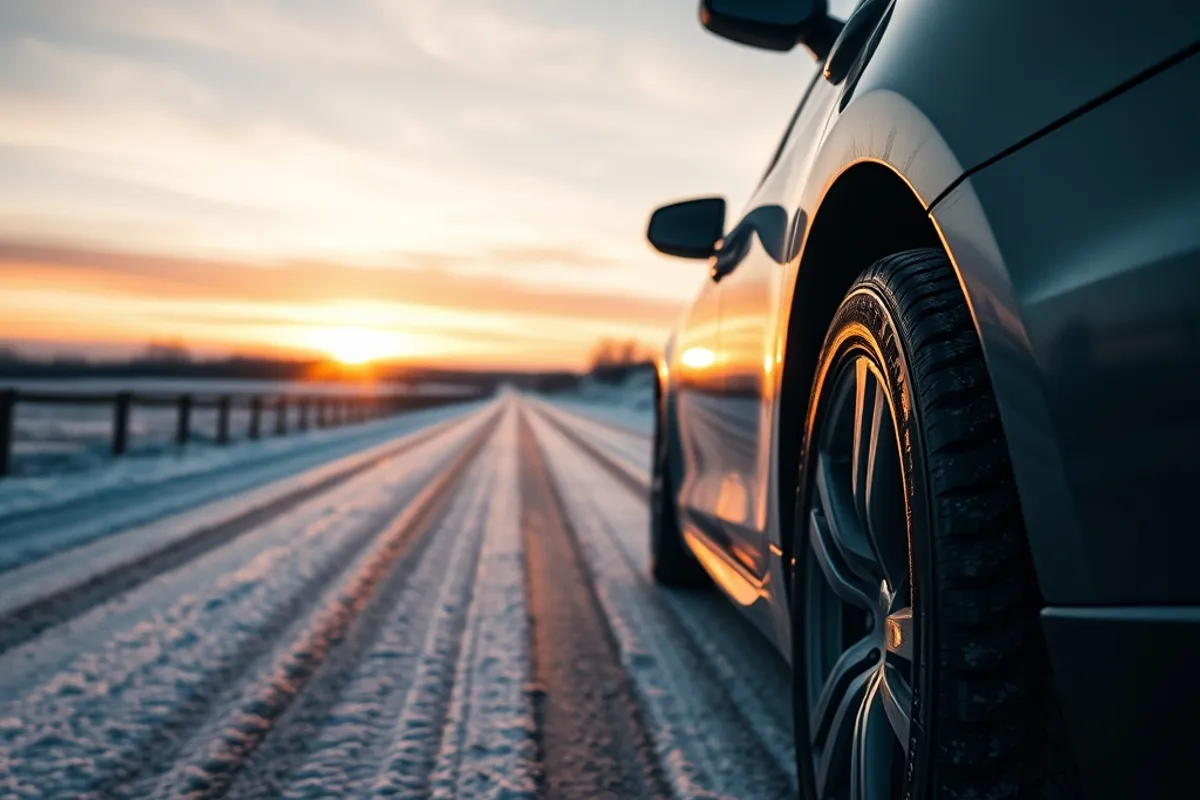
Winter driving is less about skill and more about margins. The gap to the car in front, the grip under the tyres and the time it takes to see clearly all shrink when the temperature drops. Most winter incidents are avoidable with a few checks done before the first cold morning, not after the first slide.
Tyres decide more than anything else
Summer tyres harden below about seven degrees Celsius and lose grip, especially on wet or icy surfaces. Winter tyres use a softer compound and more sipes, which is why they stop shorter in cold conditions. All-season tyres are a compromise: convenient, but not as good as a dedicated winter tyre in snow and ice. Choose based on the winters you actually drive in, not the brochure.
Check tread depth and pressure monthly. Cold air lowers pressure, and under-inflated tyres wear faster and handle poorly. Replace tyres before they reach the legal minimum; the difference in wet braking is significant. Look for cuts, bulges and sidewall damage, and check the date code on older tyres.
See and be seen
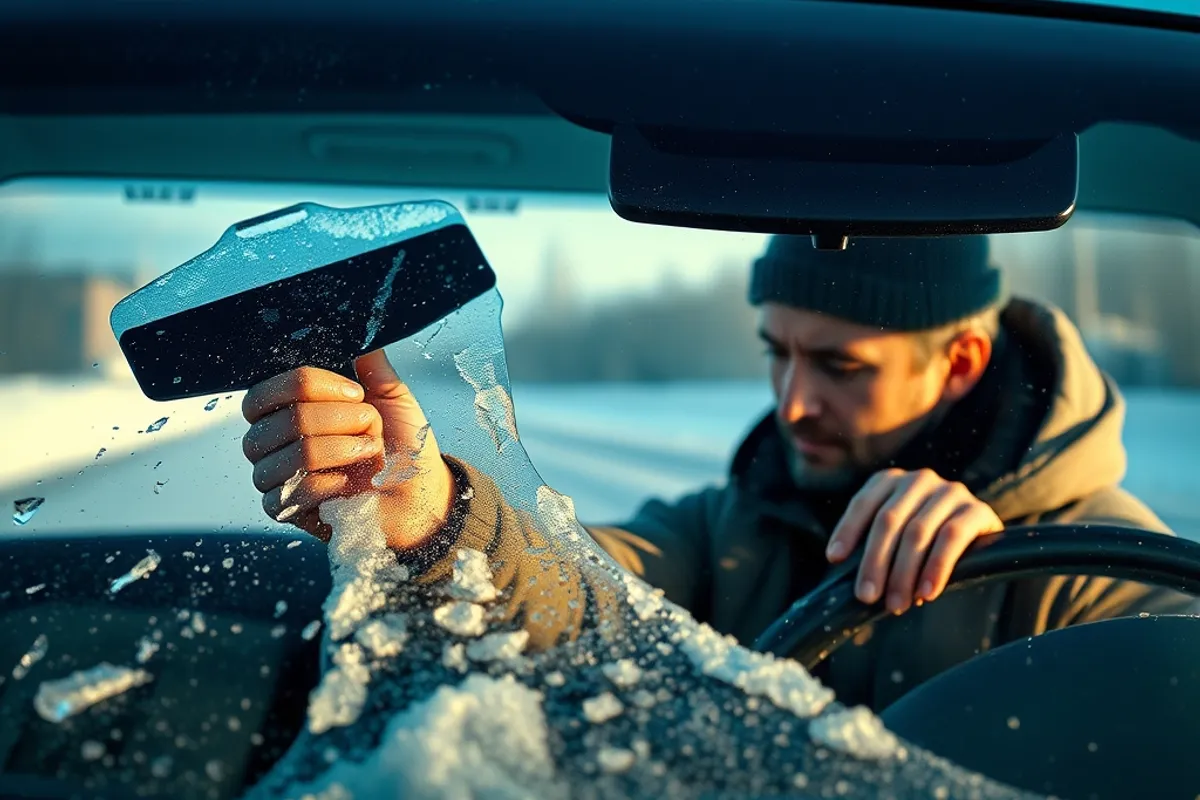
Replace worn wiper blades before winter and fill the washer bottle with a winter mix. Clear the whole windscreen, not just a slot for the driver; the mirrors and side windows matter too. Remove snow from the roof, because it can slide forward under braking or fly into traffic behind you.
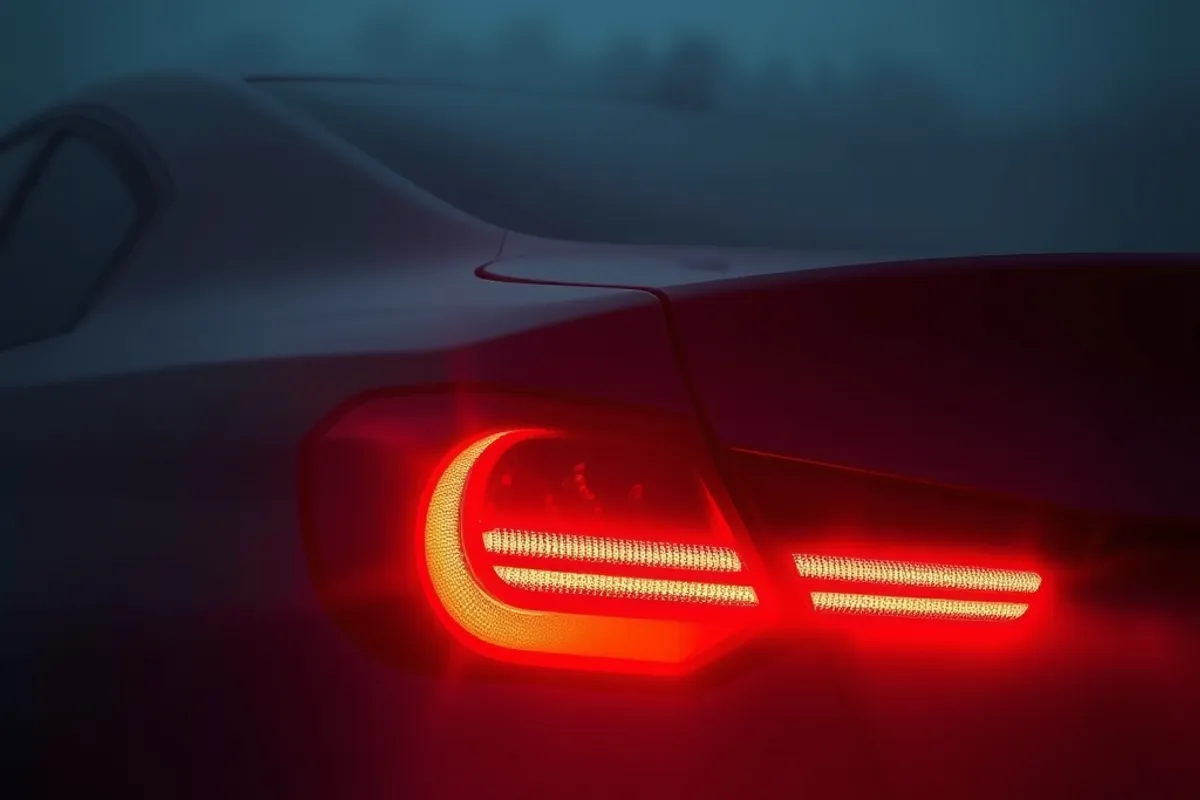
Check every light, including indicators and fog lamps. Clean the lenses; road grime can cut light output significantly. Use dipped headlights in poor visibility, and fog lights only when visibility is genuinely reduced. Misused fog lights dazzle other drivers.
Battery and cold starts
Cold weather is hard on batteries. A battery that is marginal in summer may fail on the first frost. Have it tested before winter, especially if it is more than four years old. Clean the terminals and check the charging system if the engine cranks slowly. A portable jump starter is cheap insurance and fits in the glovebox.
Start gently and let the engine warm for a few seconds before driving. Do not rev a cold engine. Use the demister and air conditioning together to clear condensation faster; the air conditioning removes moisture even when it is cold outside.
Braking and steering on low grip
Increase the following distance and brake earlier and more gently. On ice, avoid sudden inputs: no hard braking, no sharp steering. If the car begins to slide, look where you want to go and steer smoothly. Anti-lock brakes will pulse the pedal; keep firm pressure and do not pump it.
On a downhill slope, use a lower gear to control speed rather than riding the brakes. If the road is untreated and steep, consider whether the journey is necessary. The best winter safety decision is sometimes to stay home.
The kit that helps
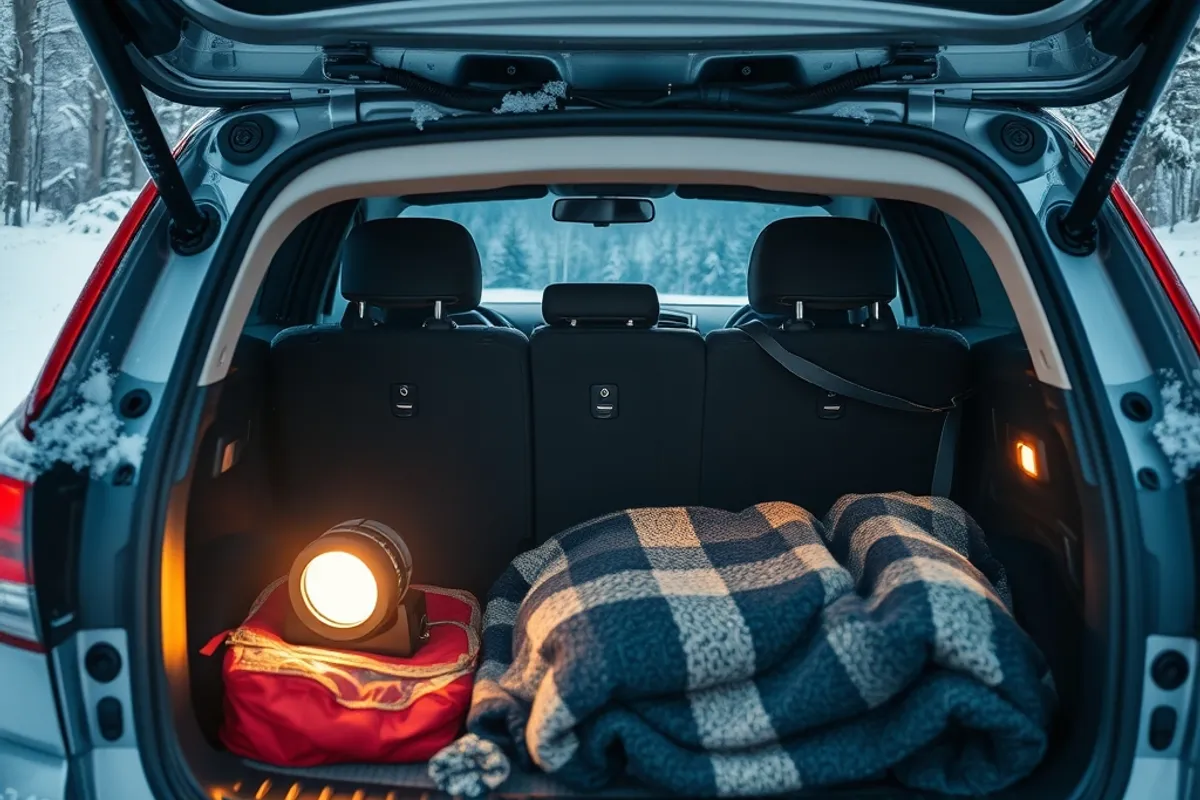
Carry a scraper, a small shovel, a torch, a blanket, warm gloves, a power bank and a first-aid kit. In remote areas, add water and a reflective vest. A bag of grit or cat litter can help with traction if you get stuck. Keep the fuel tank at least half full so you can run the heater if you are stranded.
Check the spare tyre or repair kit and make sure the jack works. A space-saver spare has a speed and distance limit; know it before you need it. If your car has no spare, a plug kit and a compressor may help with a simple puncture, but not with a sidewall failure.
Plan the route
Check the forecast and road conditions before leaving. Tell someone your route and expected arrival time if the weather is bad. Charge your phone and keep a charging cable in the car. Avoid routes that are likely to be untreated, and allow extra time so you are not tempted to drive faster than conditions allow.
If visibility drops, slow down and use the road markings to guide you. Do not follow the tail lights of the car ahead too closely; it may be wrong. If you must stop, pull well off the road and use hazard lights. Our road trip checklist covers the longer journeys where fatigue and breakdowns add to the risk.
The verdict
Winter safety is a set of small habits: the right tyres, clear glass, working lights, a healthy battery and more space. Prepare the car before the first frost, carry a basic kit and adjust your speed to the grip you have. No driver aid replaces a tyre that can stop and a windscreen you can see through.