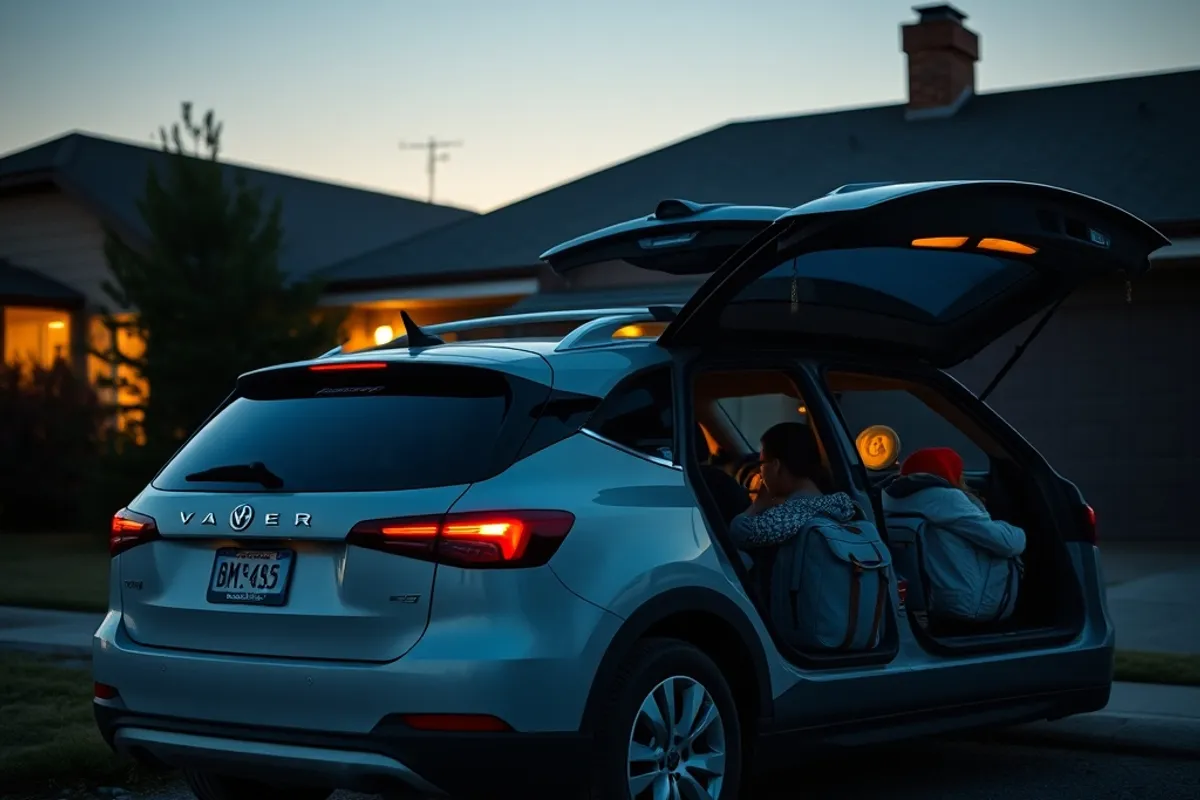
The first hour of a road trip sets the tone. A car checked at home is less likely to fail at the side of a motorway, and a driver who planned the day is less likely to push through fatigue. The checklist below is deliberately short. Do these things and you have covered most of what actually goes wrong.
Check the car before you load it
Check tyre pressures when the tyres are cold, including the spare. Look for cuts, bulges and uneven wear. Check the oil, coolant, brake fluid and washer bottle. Top up only with the correct fluids. Test the lights, wipers and horn. If a service is due, do it before the trip rather than after.
Listen for new noises and check for leaks under the car. A small coolant leak can become a breakdown on a hot climb. If the car has been sitting for weeks, take a short local drive first to confirm the battery and brakes are fine.
Load within the limits
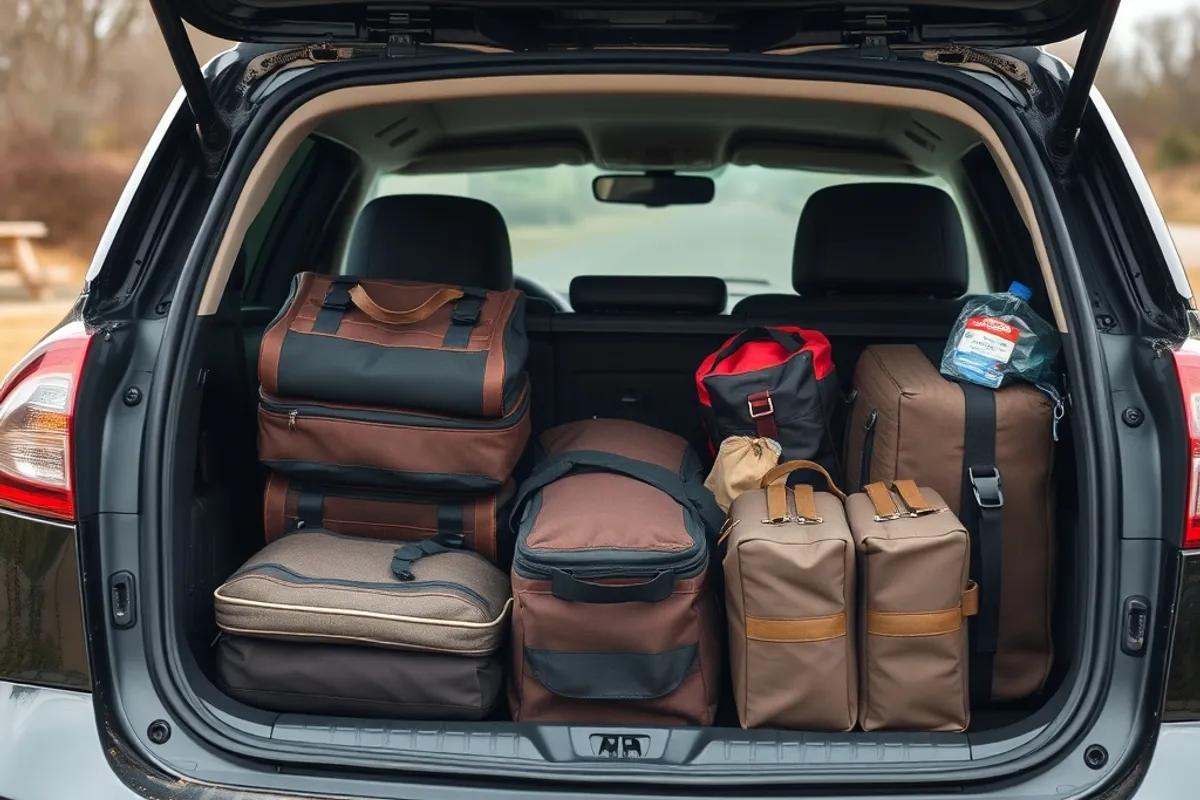
Check the maximum load and roof limit in the manual. Pack heavy items low and forward, and secure everything so it cannot become a projectile under braking. Do not block the rear window. A roof box increases fuel use and changes handling; reduce speed and check the fixings regularly.
Remember that passengers, luggage and a full tank all count toward the load. If the car feels sluggish or the rear sags, you may be over the limit. Adjust tyre pressures for the load if the manual specifies it.
Plan the driving day
Plan breaks every two hours and share the driving if possible. Fatigue is a bigger risk than most mechanical faults. Avoid starting a long drive after a full working day. Check the weather and traffic before leaving, and have an alternative route for the busiest section.
Keep water and snacks within reach. Avoid heavy meals before a long stretch. If you feel drowsy, stop somewhere safe and rest; opening a window is not a fix. Our winter driving guide covers the extra checks for cold-weather trips.
Secure passengers and pets
Everyone wears a seatbelt for the whole journey. Children need the correct seat for their height and weight, and the seat must be fitted properly. Do not put a rear-facing child seat in front of an active airbag. Pets should be restrained in a crate or with a proper harness; a loose dog is dangerous in a crash and a distraction while driving.
Keep the cabin ventilated and the temperature comfortable. A hot car is dangerous for children and pets, even on a mild day. Never leave anyone in a parked car unattended.
Carry the right kit
A basic kit includes a torch, a power bank, a first-aid kit, a reflective vest, a warning triangle, a tyre pressure gauge and a basic tool set. Add water, a blanket and any medication you need. In remote areas, carry extra food and a paper map in case the phone loses signal.
Check that the jack and wheel brace work before you need them. If the car uses a repair kit instead of a spare, read the instructions once at home. Know how to use the hazard lights and where the fuel filler release is. Small familiarity saves time in a stressful moment.
Manage the phone and the route
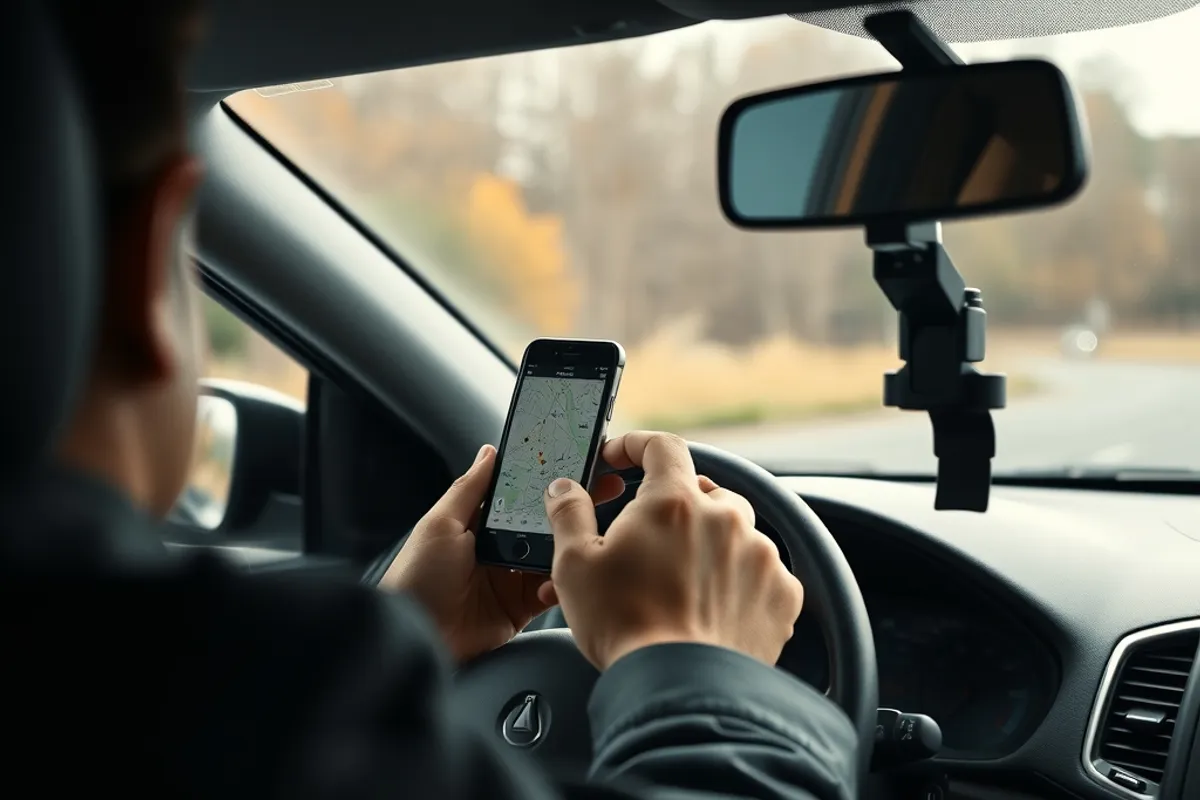
Set the route before you move and mount the phone where you can glance at it without taking your eyes off the road. Do not type addresses while driving. Download offline maps for areas with weak signal. Share your live location with someone you trust on long solo drives.
Keep a charging cable in the car and a printed list of emergency numbers. If you break down, pull as far off the road as possible, turn on the hazards and stay behind the barrier if there is one. Do not stand in a live lane to inspect the car.
The verdict
The safe road trip is boring in the best way: tyres checked, load secured, breaks planned and a kit in the boot. Do the ten-minute check before you leave, drive to the conditions and stop when you are tired. The best story from a road trip is the one where the car never made it onto the hard shoulder.