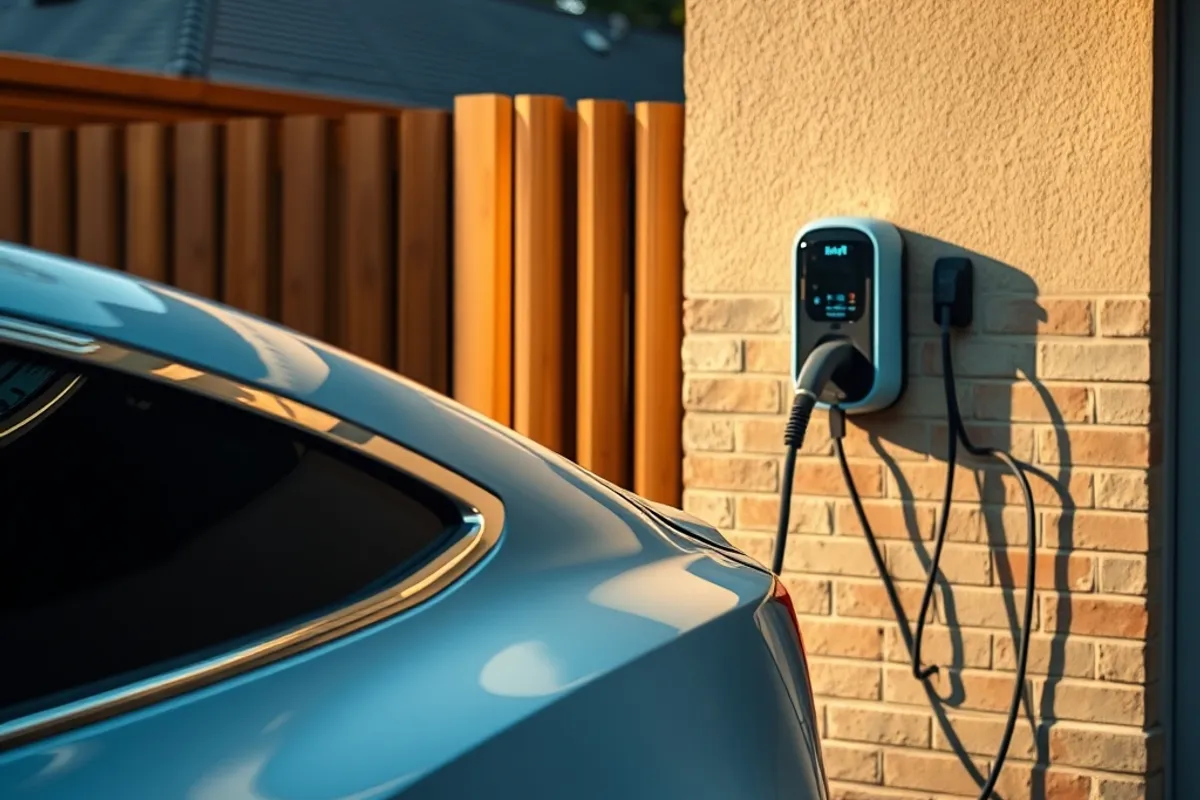
Electric car ownership is mostly a charging story. The car itself is quiet, smooth and cheap to run, but the experience depends on where you park, how far you drive and whether the chargers you need are working. In 2026 the technology is mature enough for most daily drivers; the planning is what separates a good ownership experience from a frustrating one.
Home charging is the foundation
Most EV owners do most of their charging at home. A dedicated wall charger on a dedicated circuit is safer and faster than a domestic socket. Choose a unit with a cable long enough for your parking position, and have it installed by a qualified electrician who understands local regulations. The charger should support the power your car can accept and your supply can deliver.
If you cannot charge at home, the ownership calculation changes. Public charging can work, but it costs more and takes more time. Before buying, check the chargers near your home and workplace and whether they are reliably available at the hours you need them.
Public charging: networks and apps
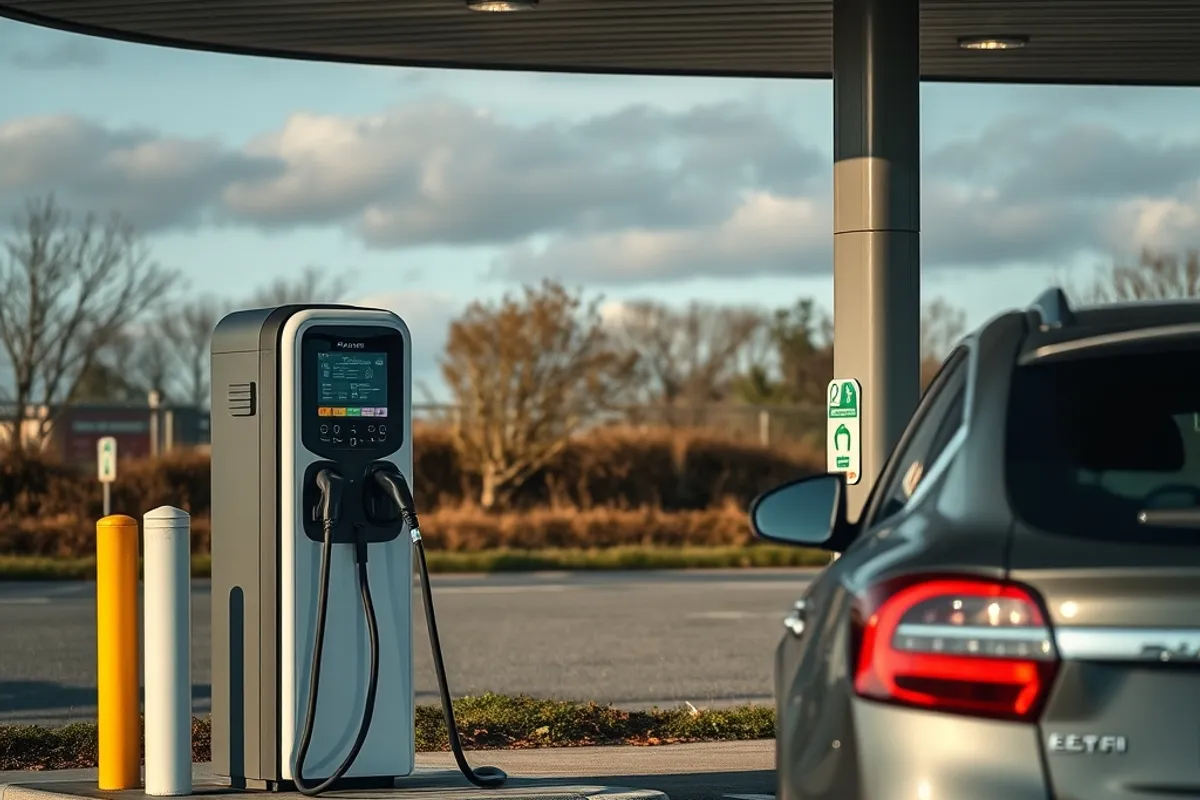
Public charging in 2026 is a mix of reliable rapid hubs and older units that may be busy or broken. Use an app that shows live availability and recent check-ins. Keep accounts with two or three networks rather than one, and carry the RFID cards if you can; they often work when an app does not.
Rapid charging is for journeys, not daily top-ups. Frequent high-power charging can accelerate battery degradation, though modern batteries handle it better than early models. For daily use, charge at home or at a slower public point and save the rapid charger for trips.
Cables and connectors
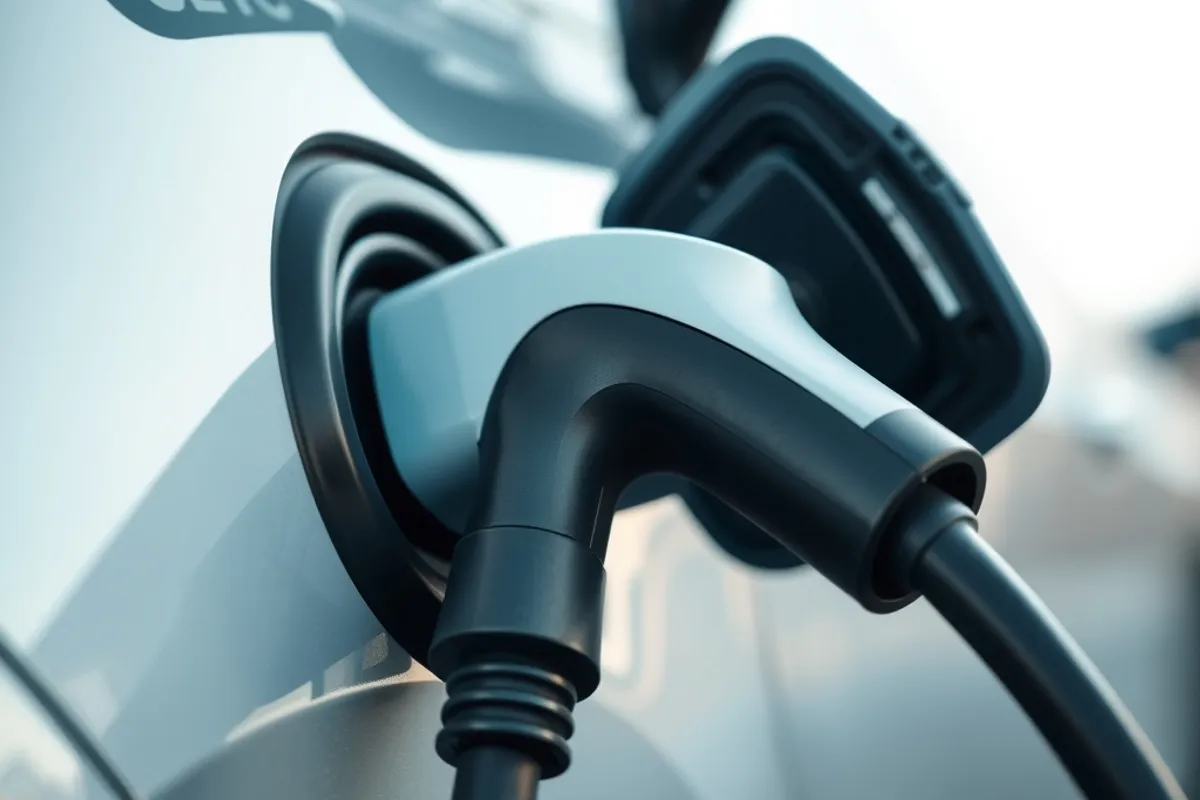
Know which connector your car uses and which cables it came with. A portable charging cable is useful for emergencies but slow. A mode 3 cable is needed for public AC charging and is often not included. Check before you buy; a missing cable can leave you stuck at a charger you cannot use.
Cable management matters. Keep cables clean and dry, and do not leave them across a footpath. At home, a holster keeps the connector off the ground. If you use a public charger regularly, a cable bag in the boot prevents tangles and damage.
Battery care and range
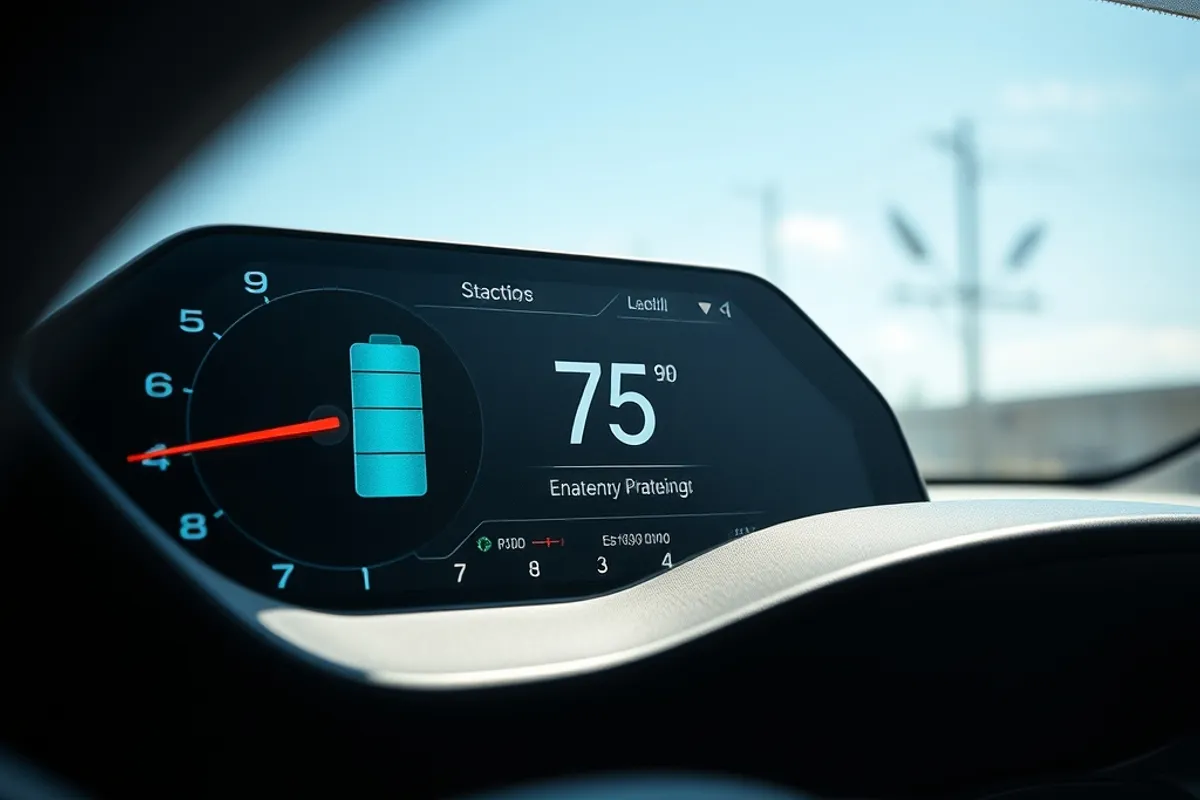
For daily driving, many manufacturers recommend keeping the state of charge between roughly 20 and 80 percent. Use the car's charge timer to avoid leaving the battery full for long periods. For a long trip, charge to 100 percent just before you leave, not days in advance. Follow the manual for your specific chemistry.
Range estimates are optimistic in cold weather and at high speed. Plan for a real-world margin, especially in winter. Use the car's route planner if it preconditions the battery for rapid charging; a warm battery charges faster. Air conditioning and heating use energy, so precondition while plugged in when possible.
Road trips
Plan the route around rapid chargers, not just distance. Check that the chargers are working and have the connector you need. Aim to arrive with a buffer, and have an alternative stop in mind. Charging stops add time; a 20 to 40 minute break every two to three hours is realistic for many cars.
Do not rely on a single charger at a remote location. If it is busy or broken, you need a plan B. Charge while you eat or rest, and avoid arriving at a low state of charge with no charger nearby. Our road trip checklist covers the non-electric basics too.
Cost and practical ownership
Home charging is usually the cheapest way to run an EV. Public rapid charging costs more and varies by network and time. Work out your real cost per kilometre from your home tariff and the public chargers you actually use. Add the cost of a home charger installation and any subscription fees.
Maintenance is lower than a combustion car, but not zero: tyres wear faster because of weight and torque, brake fluid still needs changing and the cabin filter still clogs. Check the warranty on the battery and the drive unit, and ask how the dealer handles software updates and recalls.
The verdict
An EV works well if you can charge at home, drive within a predictable routine and plan longer trips around reliable rapid chargers. If you cannot charge at home, be honest about the time and cost of public charging. The technology is ready for most drivers; the plan is what makes it convenient.