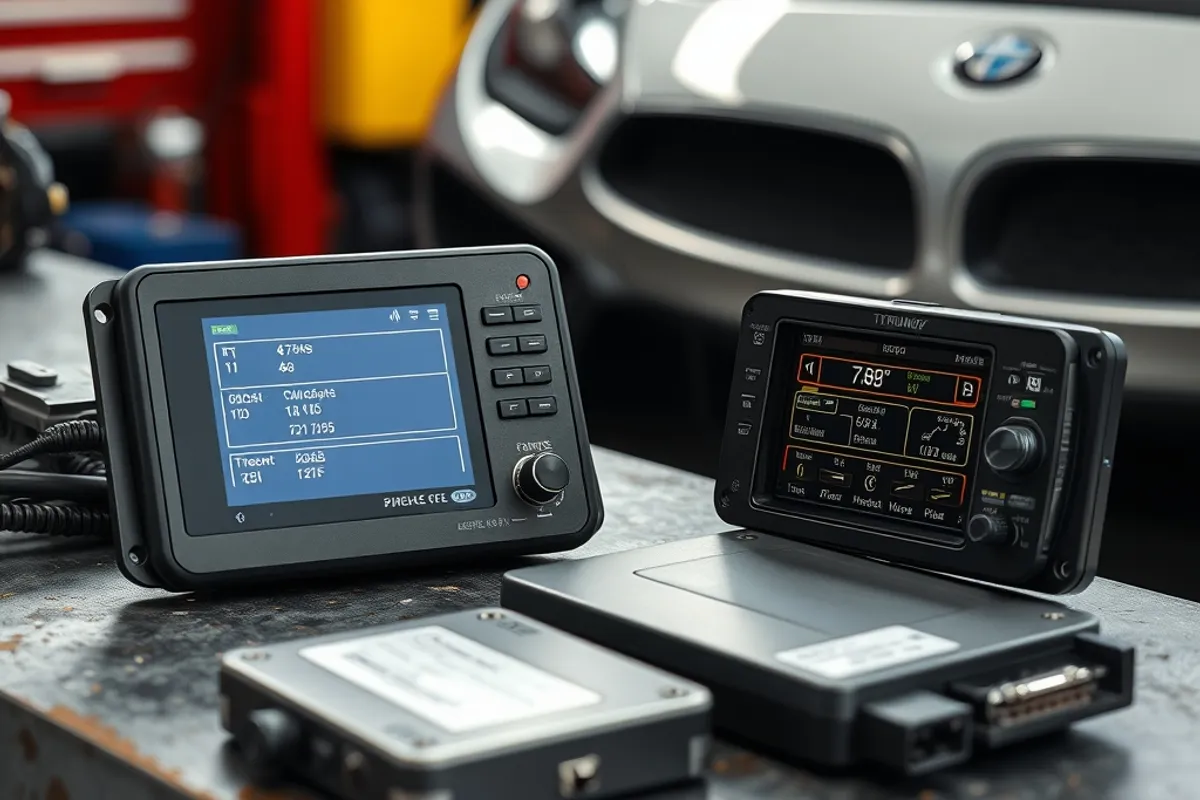
When a car is turbocharged, the quickest route to more power is usually software. The two common options are an ECU remap and a piggyback module. Both can add torque, but they work in different ways and leave you with different risks. The right choice depends on the car, the warranty and how much control you want over the result.
How an ECU remap works
A remap rewrites the calibration inside the factory engine computer. The tuner adjusts fuel, ignition and boost targets within the hardware limits. Because the factory computer still controls everything, the result is usually smooth and behaves like a standard car in normal driving. A custom map can be tailored to the fuel, altitude and parts on your specific car.
The downside is access. Some manufacturers lock the ECU, require a bench unlock, or detect a flash even after the original file is restored. A remap can also be lost when a dealer updates the software. Ask the tuner how they handle updates and whether they keep a copy of your stock file.
How a piggyback works
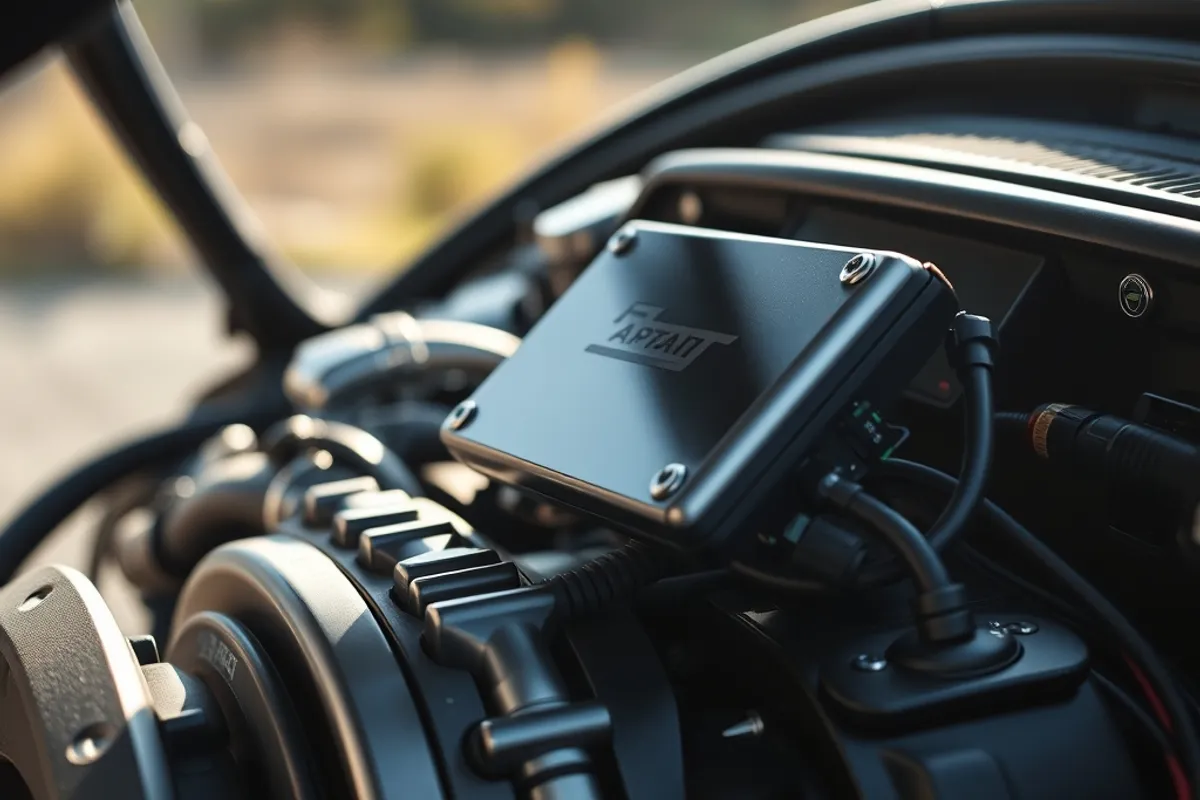
A piggyback sits between the engine sensors and the factory computer and alters the signals. It is removable, which makes it attractive for leased cars or owners who want to return to stock quickly. Installation is often plug-and-play, and some units support Bluetooth adjustment and multiple maps.
The trade-off is control. A piggyback tricks the factory computer rather than recalibrating it, so the result can be less refined. Some units only adjust boost and fuel pressure, and the factory computer may fight the changes by pulling timing. Quality varies enormously; a cheap module can cause lean running or warning lights.


Power and driveability
A good remap usually delivers a broader torque curve, not just a peak number. That is what makes a car feel quicker in everyday driving. A piggyback can add boost and feel fast, but if it cannot adjust ignition timing or fuelling accurately, the gain may be less usable and less safe under heat.
Ask for a dyno graph, not a single figure. Look at the area under the curve and how the power holds near the redline. A tune that makes a big number for two seconds and then pulls timing is not a good tune. On a daily driver, smoothness and throttle response matter more than the headline.
Warranty and insurance
Both routes can affect your warranty, and a removable piggyback is not automatically invisible. Some manufacturers can see evidence of sensor intervention or unusual operating data. Read the warranty terms and ask the dealer in writing. If the car is leased, check the lease agreement before fitting anything.
Declare the modification to your insurer. A piggyback that is removed before a claim may still be considered a modification if it was fitted at the time of the incident, and non-disclosure can void cover. The cheapest tune is not worth an invalid policy.
Cost and installation
A custom remap usually costs more than a basic piggyback because it includes dyno time and tuning skill. A piggyback can be cheaper and easier to remove, but the total cost may rise if you need a proper installation, a wideband sensor or dyno verification. Add the cost of supporting hardware: cooler plugs, a better intercooler and fresh fluids.
Installation quality matters. A remap is only as good as the tuner's data and experience with your engine. A piggyback is only as good as its harness and its ability to work with the factory computer. Ask for references from owners of the same model, not just a generic testimonial.
Which one for a daily driver?
For most daily drivers, a reputable custom remap is the better experience. It keeps the factory computer in control and usually drives more smoothly. A piggyback makes sense when the car is leased, the ECU is locked, or you need to return to stock regularly and accept a less refined result.
If you are chasing a big power increase, neither option is enough on its own. You need supporting hardware and a tuner who can validate the result. Read our engine tuning guide for the cooling, warranty and safety basics before you choose a route.
The verdict
Choose a remap for refinement and a proper calibration; choose a piggyback for removability and convenience. In both cases, buy from a specialist who knows your engine, verify the result on a dyno and declare the change to your insurer. The best tune is the one you forget about because the car simply drives well.