
Engine tuning has never been more accessible. A laptop and a map file can add power to many modern turbocharged cars in an afternoon. The question is not whether it is possible, but whether the gain is worth the risk to warranty, insurance, cooling and long-term reliability. The safest tune is the one planned as a system, not as a single product.
Know the difference between map, bolt-on and build
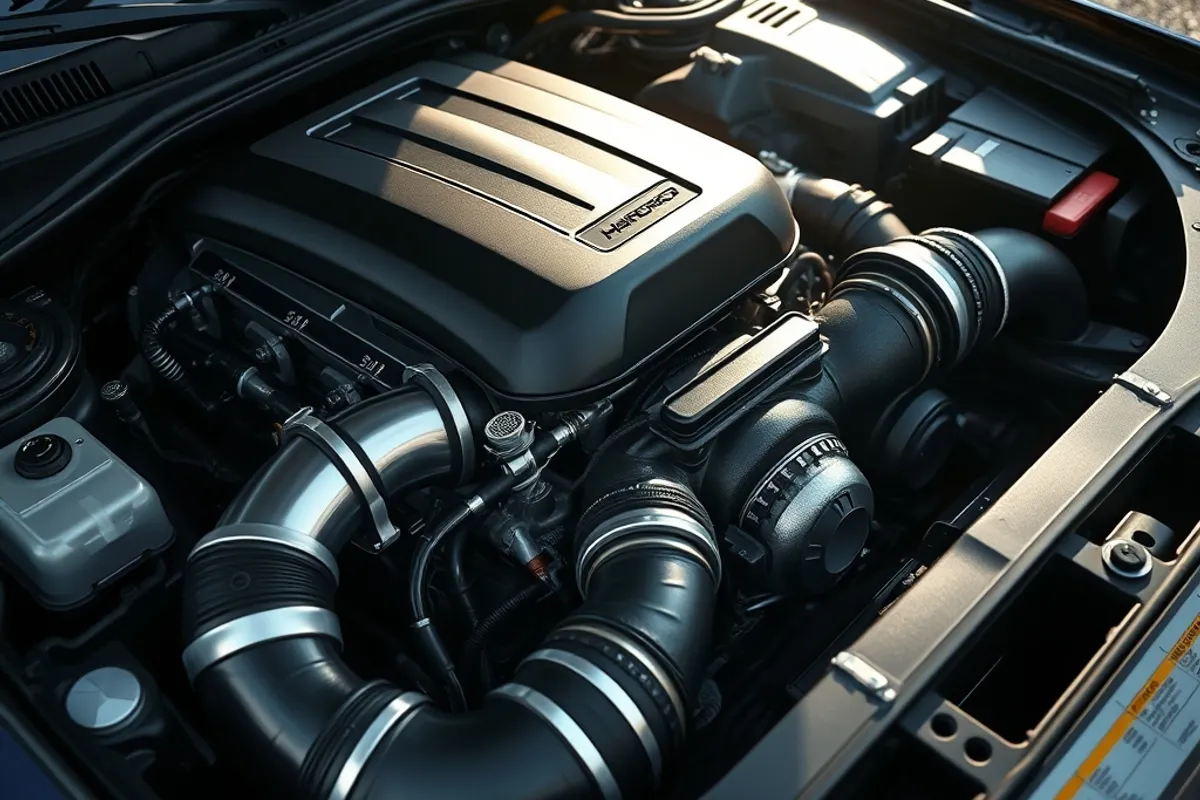
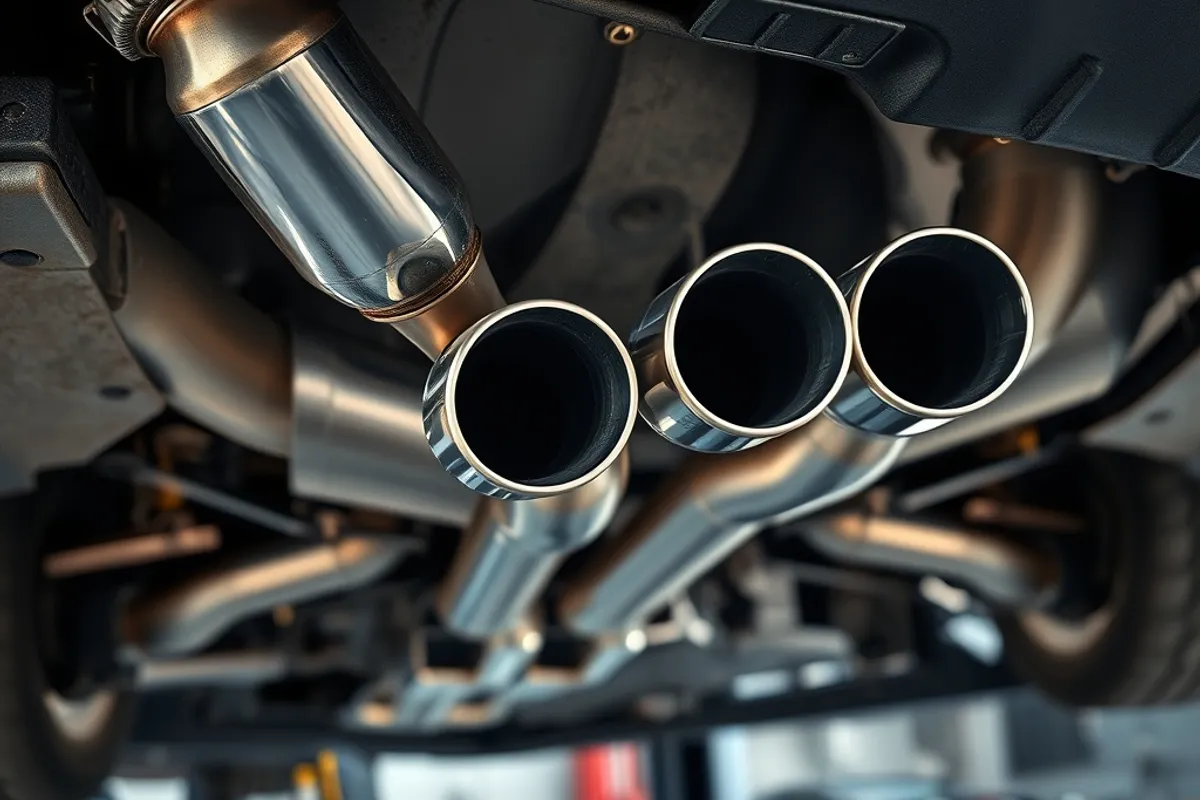
An ECU remap changes the fuel, ignition and boost tables within the limits of the hardware. A bolt-on is a physical part: intake, exhaust, intercooler or a downpipe. A build replaces internals and is only necessary when the factory components reach their limit. Most road cars only need a sensible remap or a small set of bolt-ons, not forged pistons.
Ask the tuner what they are changing and why. A good answer references torque, knock control and exhaust gas temperatures. A vague answer about "more bhp" is a warning. Power figures on a dyno are useful for comparison, but the number that matters on the road is usable torque in the gears you actually use.
Costs in 2026
A reputable remap on a common turbo car runs from a few hundred to over a thousand depending on the platform and support. A decent intercooler, a cat-back exhaust and supporting parts add more. Add the cost of a dyno session, a map switch and any required software licence. If the quote is far below the market, ask what is not included and whether the tuner has a real reputation for your engine.
Budget for cooling. On a tuned turbo engine, an upgraded intercooler is often the single most sensible first spend, because it keeps intake temperatures down and leaves more headroom for safe timing. Oil and coolant are cheaper than a blown head gasket.

Warranty and insurance
Modifying the ECU is likely to affect the powertrain warranty. Some manufacturers detect a remap even if it is flashed back to stock, and others do not. Ask the dealer in writing what their policy is for your exact car, because advice over the phone changes when a claim is made. A tuner can be reputable and still mean an invalid claim on a failed component.
Tell your insurer about modifications. Some policies cover them at an increased premium; others refuse. Failing to declare a remap can invalidate the policy entirely. A few pounds or dollars a month for disclosure is cheaper than a refused claim after an accident. Ask your insurer in writing before the remap, and keep the reply with the car's paperwork.
Keeping it safe
A safe tune respects knock limits, keeps exhaust gas temperatures sensible and leaves margin for heat soak in summer traffic. Logging is essential. A tuner who offers a map without a way to log or without a return to stock is taking a shortcut. Ask for a data log review after the first few hundred miles and a check if anything feels different.
Upgrade the bits that fail first. Spark plugs, boost hoses and the diverter valve are cheap insurance on a tuned car. Check for boost leaks after installation and keep an eye on oil consumption. If you notice timing corrections climbing in the logs, back off and speak to the tuner before you drive harder.
Emissions and legality
Removing a catalytic converter or a particulate filter is illegal in many places and will fail an emissions test. A decat downpipe can make a car loud and non-compliant. Check local laws before you buy parts, and do not assume a "track only" part is legal on the road. A remap that is too aggressive can also increase emissions beyond the limit.
Consider the noise as well as the law. Neighbours and MOT/inspection stations notice a loud exhaust, and some areas have noise limits. A tasteful cat-back system is often the only exhaust change that stays reasonable on a daily driver.
The plan that actually works
Start with tyres and brakes. More power is only fun if the car can stop and turn. Fresh tyres will do more for your confidence than a 20 percent power increase. Then address cooling, then the tune. Keep the original map file and the invoice for every part.
Find a tuner with a proven record for your engine code, not just for "most turbo cars". Ask for a local customer car to see or for recent logs from the same platform. Pay for a custom map if the car has different parts or fuel quality in your region; an off-the-shelf map is cheaper but less precise.
The verdict
A safe engine tune is a system tune. Add cooling and tyres first, choose a reputable tuner, declare modifications to your insurer and log the car after the flash. The best result is a car that feels stronger in fifth gear on a hot day, not just on a cool dyno run. If reliability matters more than peak power, leave the map stock and spend the money on brakes and tyres.